Emballage souple pour ketchup, mayonnaise et condiments
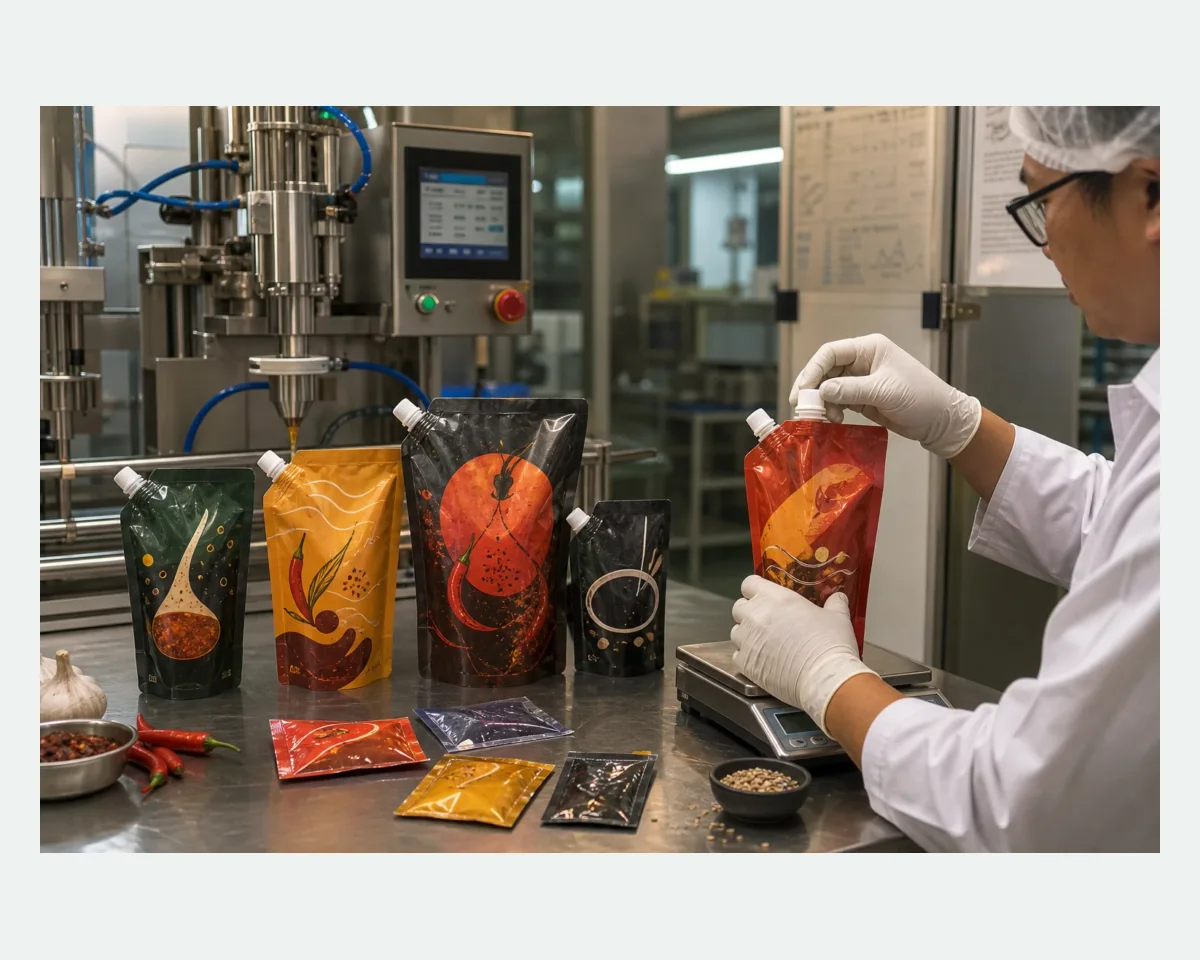
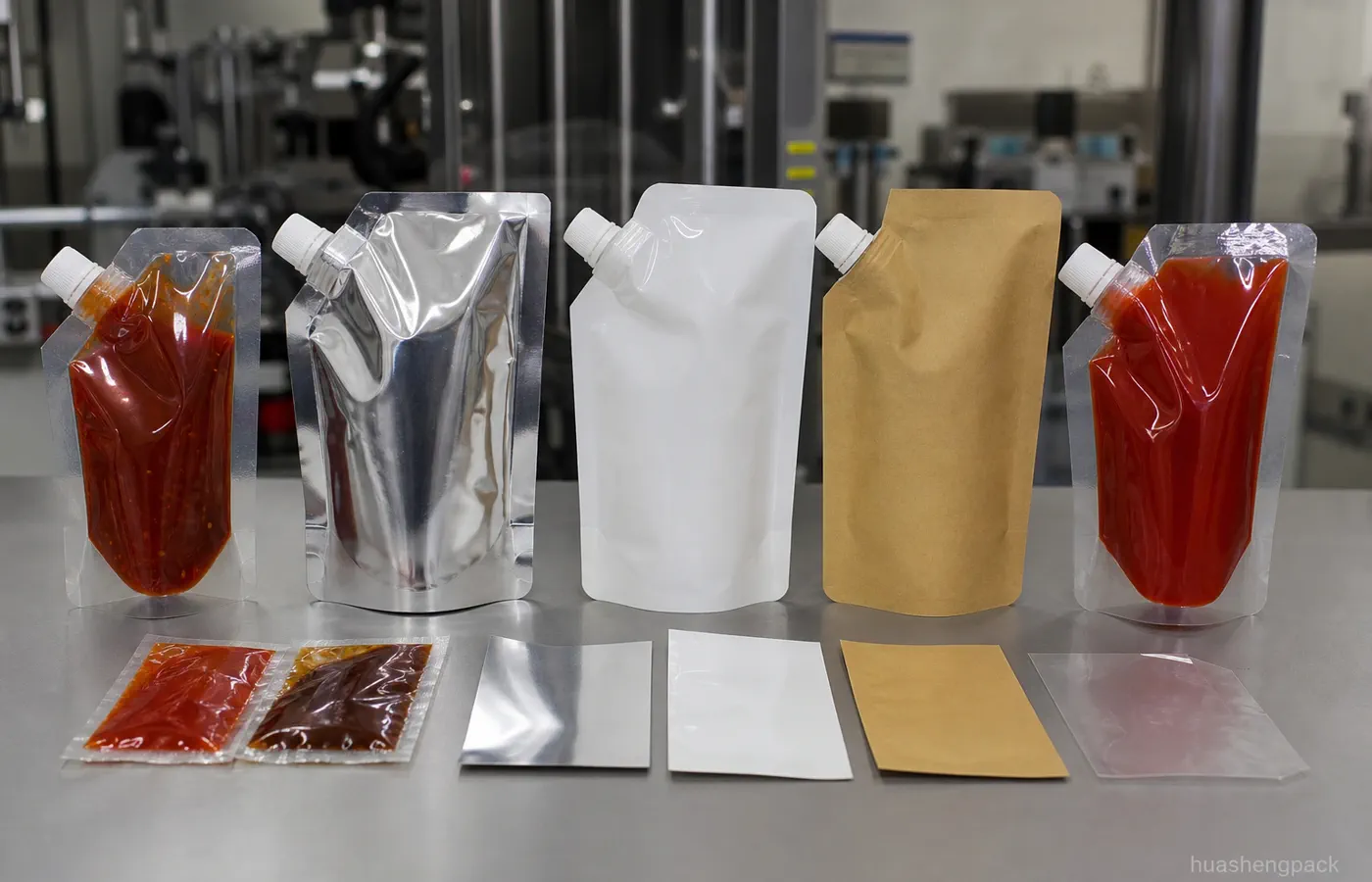
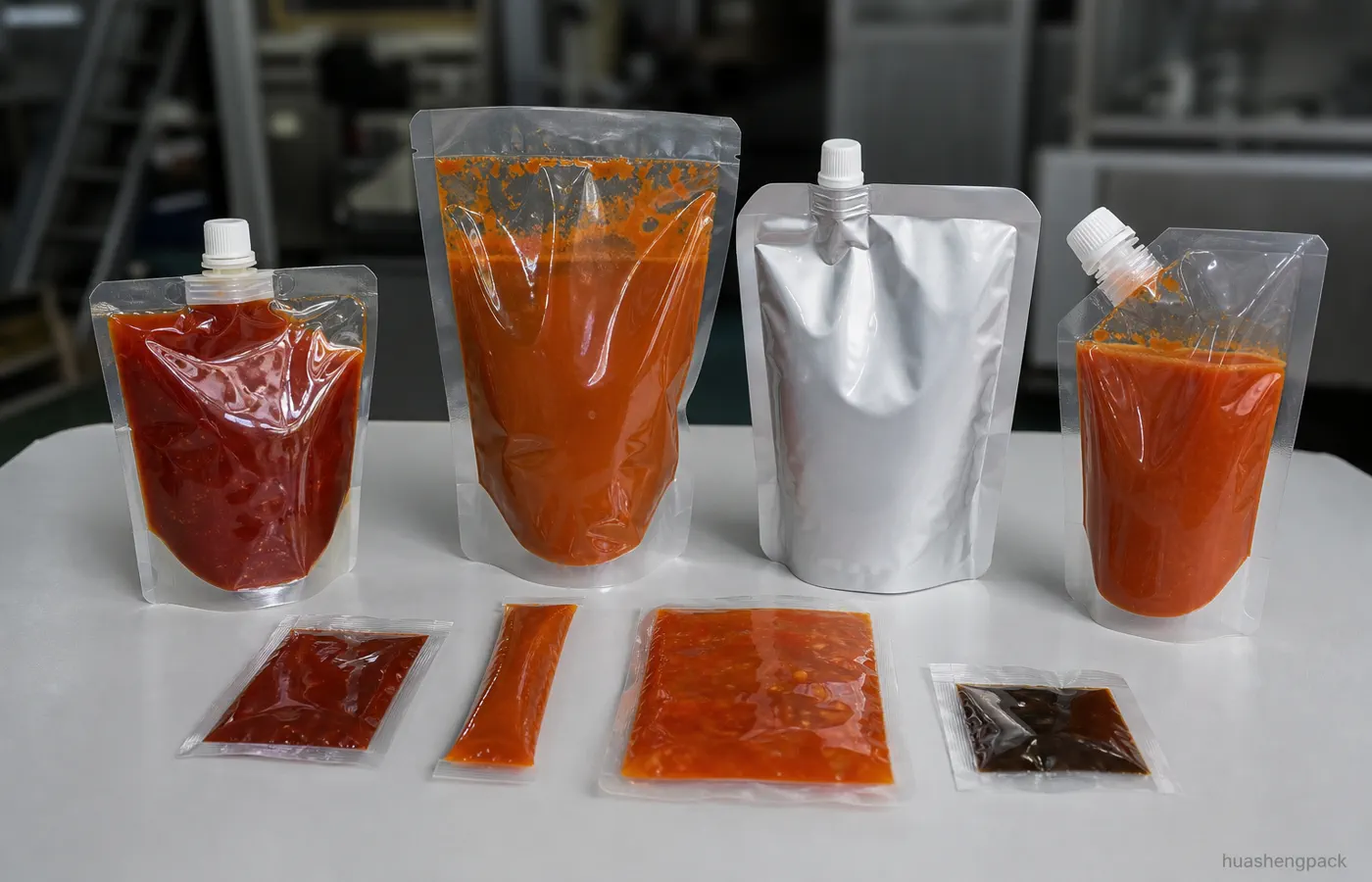
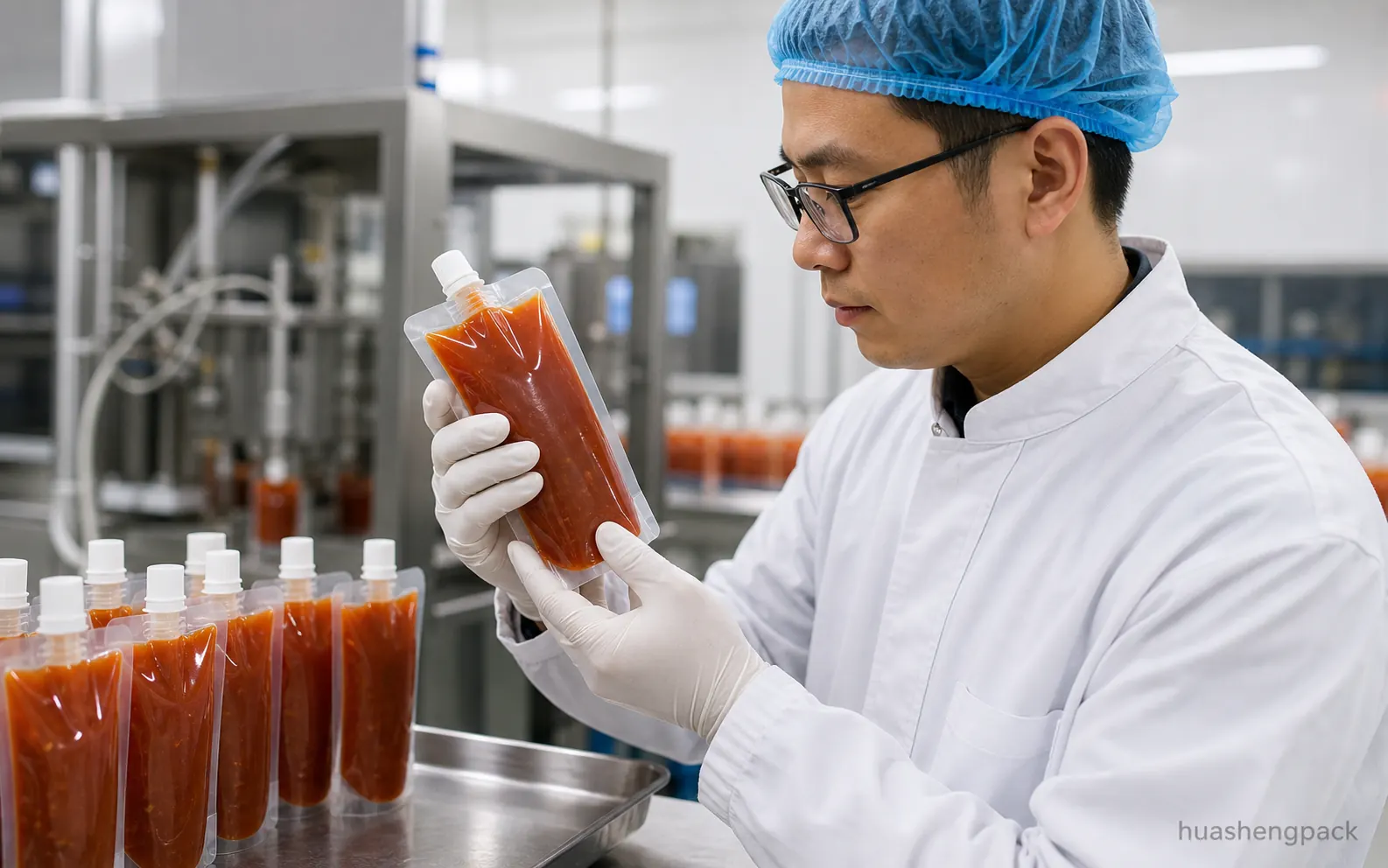
Portfolio d’Emballages Alimentaires Imprimés
Consultez des références regroupées par forme visible et application alimentaire.
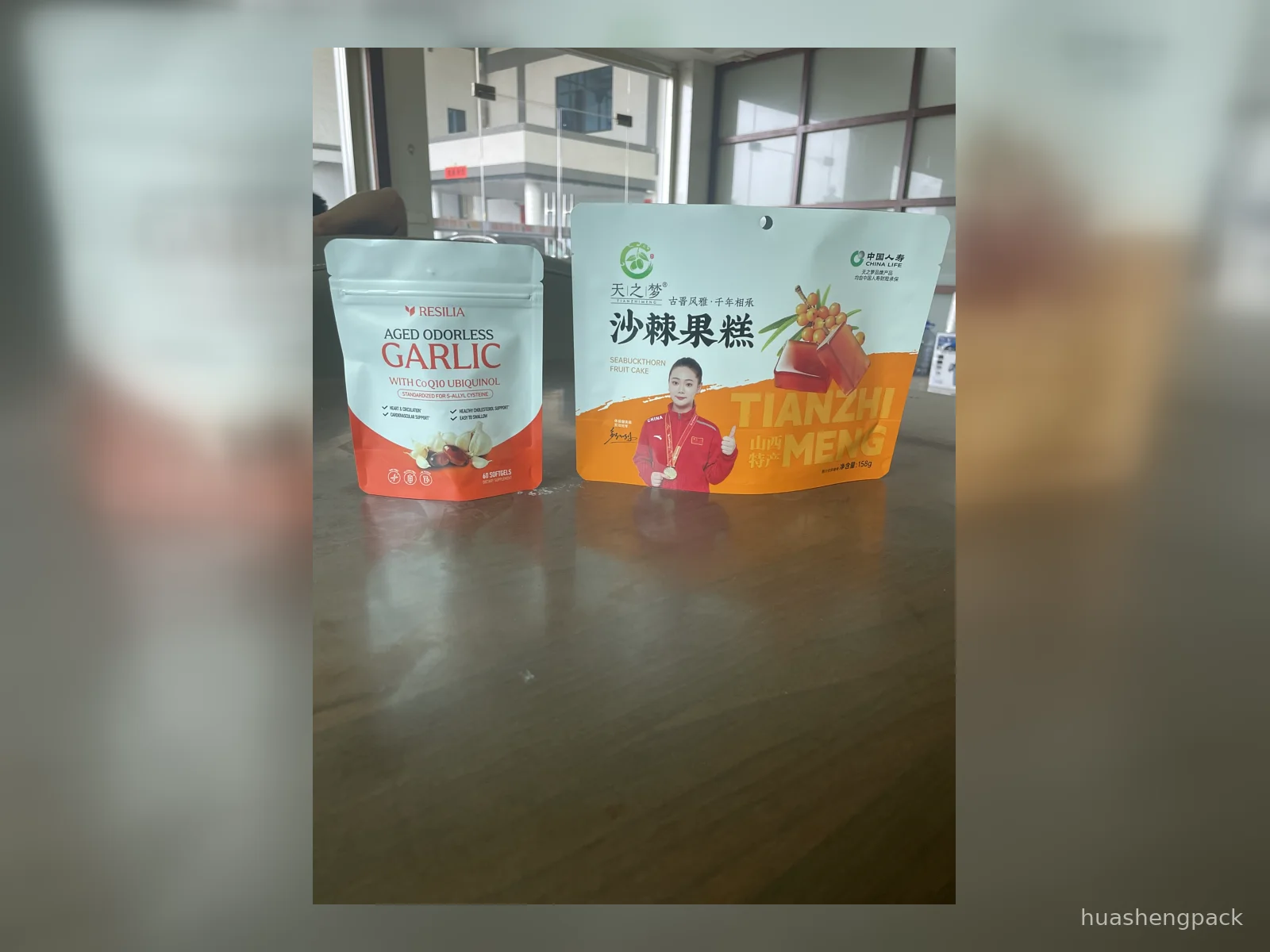
Photos sources optimisées en préservant graphisme et construction visibles; spécifications à confirmer séparément.
Specification integrity
Protect this application project with a quality release path
Lock the product conditions and project evidence before comparing price, structure or supply options.
- Viscosity, particles, acidity and fill process
- Format, fitment and contaminated-seal conditions
- Representative thermal, leakage and storage evidence
Project release record
- Versioned specification and approved artwork
- Approved reference sample or documented sample stage
- Agreed inspection and test plan
- Recorded review of any proposed change
- Representative filled-pack or line evidence where required
- Issue, disposition and repeat-order feedback record
This path supports project review and change control. It does not by itself approve compliance, shelf life, machine performance or a finished package.
Types d'emballage recommandés
- Spout pouches (integrated spout and cap for ketchup, chili sauce, salad dressing and liquid condiment; leak-resistant spout welding with multiple spout size options). Three side seal pouch (cost-effective sachet format for single-serve sauce, ketchup portion packs and condiment samples). Retort pouches (retort-grade structures for shelf-stable sauce products requiring high-temperature sterilization). Custom shaped pouches (die-cut shapes for specialized sauce or condiment packaging). Sauce packaging requires careful review of viscosity, filling weight, sealing strength, leakage risk and storage conditions.
- PET/PE (general sauce packaging with good print surface and sealing; suitable for ambient or chilled sauce). PET/VMPET/PE (improved barrier and shelf display with metallic layer for premium sauce brands). PET/AL/NY/PE or retort-ready structures (for sterilization or higher barrier needs; common for shelf-stable cooking sauce and ready-meal sauce). PA/PE (puncture resistance and flexibility for larger volume liquid packs). Easy-tear or spout options can be discussed according to filling method and consumer use. Material structure should be confirmed based on sauce type, oil content, filling temperature, sterilization process, shelf life and transport conditions.
- Common Packaging Problems — Leakage at seal area or spout welding point during transport. Oil migration through the seal layer causing seal weakening. Pouch swelling from gas-producing sauce products. Weak sealing after hot filling or sterilization. Wrong material structure for hot filling temperature or sterilization conditions. Poor tear opening making consumer use difficult.
- Each batch undergoes leakage test (vacuum or pressure method), seal strength test (ASTM F88), drop test from specified height, filling compatibility check, retort or heat resistance test when sterilization is required, spout sealing inspection if spout pouch is used and visual appearance inspection. Pre-shipment inspection with retained batch samples. ISO22000 certified production.
- Sauce type (ketchup/chili sauce/salad dressing/cooking sauce/condiment), filling volume, filling temperature (ambient/hot fill/cold fill), sterilization requirement, target pouch size and format, spout diameter and cap type if needed, material structure preference, printing colors and artwork file, estimated order quantity, shelf life requirement, target market or China OEM handover requirement.
- Spout Pouches, Three Side Seal Pouch, Retort Pouches, Custom Shaped Pouches.
- Q: Can one material structure be used for all sauce products? A: No. Sauce packaging should be selected according to sauce type, oil content, acidity, filling temperature, sterilization process, shelf life and transport conditions. Q: What spout pouch structure is commonly used for sauce? A: PET/PE is common for general ambient sauce. For hot fill or retort sauce, PET/AL/NY/PE or retort-ready structures may be needed. The structure should be confirmed according to the specific sauce product. Q: How is sauce pouch leakage tested? A: Leakage is tested by vacuum or pressure method on samples from each batch. Spout welding integrity and seal strength are also tested before shipment.
Suggestions de matériaux
Material direction must be matched to the actual product or formulation, target market, filling or packing equipment, storage and distribution conditions, with the complete component set, specimen, method, conditions and acceptance owner recorded. Photographed appearance, a similar project or a generic material name does not replace a project specification, compatibility testing and finished-pack release.
Points de contrôle qualité
Quality items, specimens, methods, conditions, sample size, frequency and acceptance criteria must be agreed in the project specification. A factory image, general workflow or single test does not prove an untested structure, filled package, batch, shelf life or production performance.
Liste de préparation avant demande
- Type de produit
- Taille / Dimensions
- Structure du matériau / Épaisseur
- Couleurs d'impression
- Quantité
- Type de machine d’emballage
- Durée de conservation et conditions de stockage
- Marché cible et exigences de conformité
Problèmes courants
- Leakage at the pouch edge or spout weld - confirm sealant compatibility, contamination control and sealing window
- Slow or messy dispensing - match spout diameter and pouch geometry to viscosity and particle size
- Delamination or odor change - review recipe compatibility, filling temperature and storage duration
- Seal wrinkles after filling - confirm headspace, pouch support and sealing-jaw setup
- Incorrect process assumption - distinguish ambient fill, hot fill, pasteurization and retort before approval
Points de contrôle qualité
- Seal-strength and leak testing
- Spout weld and cap torque checks
- Filled-pouch squeeze and drop trials
- Laminate bond and appearance inspection
- Process-condition and product-compatibility validation
- Print registration and code-area verification
Questions fréquentes
Which pouch format is suitable for sauce packaging?
Spout pouches are often considered for reclosable retail packs, while three side seal sachets or roll film can suit portion packs. The decision depends on fill volume, viscosity, particles, consumer use and filling equipment.
Is the same sauce pouch suitable for ambient fill, hot fill and retort?
Not necessarily. These processes place different demands on laminate, sealant, spout, cap and seals. Confirm the actual temperature and sterilization cycle before approving a structure.
What information helps prevent sauce pouch leakage?
Provide the recipe category, oil or acid content, viscosity, particle size, filling temperature, sealing method, fill volume and required spout. Filled-pack trials should use representative product and conditions.
Can sauce packaging be supplied as printed roll film?
Printed roll film can be considered for sachet and form-fill-seal lines. Confirm web width, repeat length, eye mark, unwind direction, core ID, maximum roll diameter and sealing conditions.
Does every sauce need an aluminum foil structure?
No. Transparent, metallized or foil-containing laminates may be considered depending on recipe, process, barrier and shelf life. The final choice should follow compatibility and filled-pack validation.
Produits associés
Related Packaging Guides
- Spout Pouch Material Guide for Juice, Sauce and Liquid Food
- Common Filling and Sealing Issues for Flexible Packaging
Questions fréquentes
Comment démarrer une commande d'emballage personnalisé avec Huasheng Packaging ?
Envoyez-nous votre type de produit, la taille de poche souhaitée, le matériau préféré, le fichier de conception et la quantité estimée. Notre équipe commerciale examinera les informations transmises et confirmera la prochaine étape du projet. Nous passerons ensuite à la confirmation du design, à la validation des échantillons nécessaires et à l'accord sur les conditions de production.
Quelles informations dois-je fournir pour demander un devis ?
Veuillez préparer : le type de produit (ex. grains de café, chips, sauce), la taille de poche prévue (largeur × longueur), la préférence de matériau si connue, le fichier de conception d'impression ou les exigences de couleur, la quantité de commande estimée, et toute exigence particulière comme une fermeture zip, une valve, un bec verseur ou une encoche de déchirure.
Pouvez-vous imprimer mon logo et mon design personnalisé sur l'emballage ?
Oui. Nous prenons en charge jusqu'à 9 couleurs en héliogravure pour les logos et designs personnalisés. Vous pouvez fournir vos fichiers de conception aux formats AI, PDF, PSD ou CDR. Notre équipe prépresse vérifiera le fichier et confirmera la faisabilité d'impression avant la production.
Quel format de fichier graphique dois-je envoyer ?
Nous acceptons les fichiers Adobe Illustrator (AI), PDF, PSD et CDR. Utilisez le mode CMYK, une résolution d'au moins 300 dpi et 3 mm de fond perdu si le visuel va jusqu'au bord. Envoyez si possible un fichier prêt à imprimer ; sinon, nous pouvons vérifier les exigences techniques avant production.