Why Same Price Packaging Bags Can Have Different Quality
Tim tinjauan konten teknis Huasheng Packaging · Terbit: · Diperbarui:
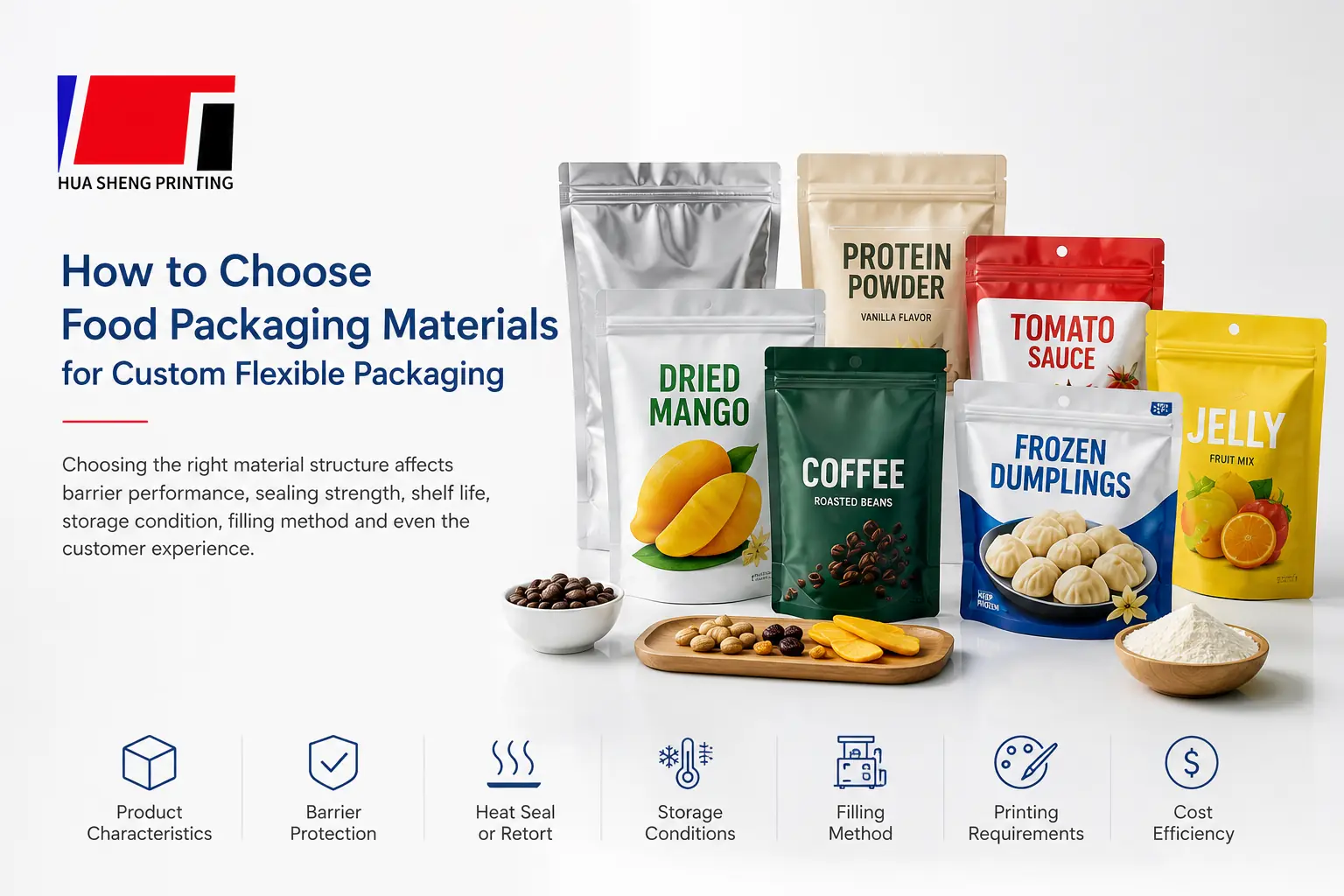 Technical guide visual for Why Same Price Packaging Bags Can Have Different Quality.
Learn why custom packaging bags with the same price may have different quality, including material structure, thickness, printing, lamination, sealing, hidden costs and supplier comparison.
Jawaban langsung
Bagian ini memberi panduan khusus tentang Mengapa kantong harga sama bisa memiliki kualitas berbeda dan menghubungkan keputusan pembelian dengan produk nyata, metode pengisian, dan pasar tujuan.
Same Material Name Does Not Always Mean Same Structure
Saat menilai Mengapa kantong harga sama bisa memiliki kualitas berbeda, tentukan lebih dahulu penggunaan nyata, batas teknis, dan mode kegagalan yang harus dikendalikan spesifikasi. Pertahankan istilah teknis dan nilai berikut tanpa perubahan dalam spesifikasi: PET/PE, PET, PE.
Thickness and Weight Affect Cost and Performance
Untuk Mengapa kantong harga sama bisa memiliki kualitas berbeda, jangan memilih hanya berdasarkan harga atau tampilan; periksa juga kecocokan bahan, mesin, dan kondisi penggunaan.
Printing Quality Is More Than the Number of Colors
Untuk Mengapa kantong harga sama bisa memiliki kualitas berbeda, bandingkan pilihan berdasarkan fungsi dan kinerja yang dibutuhkan, lalu konfirmasikan dengan sampel atau uji produksi yang representatif.
Lamination and Curing Affect Long-term Stability
Kendali mutu Mengapa kantong harga sama bisa memiliki kualitas berbeda memerlukan kriteria terukur untuk bahan, pencetakan, segel, dan kinerja kemasan yang telah diisi.
Sealing and Pouch Making Tolerance Matter for Machine Users
Agar penawaran Mengapa kantong harga sama bisa memiliki kualitas berbeda akurat, siapkan data produk, ukuran, struktur, jumlah, artwork, mesin, dan pasar tujuan. Pertahankan istilah teknis dan nilai berikut tanpa perubahan dalam spesifikasi: VFFS/HFFS, VFFS, HFFS.
Produk Terkait
Panduan Kemasan Terkait
Pertanyaan Umum
Why can the same packaging bag price lead to different quality?
Material thickness, structure details, printing control, lamination quality, curing time, sealing strength, dimensional tolerance and packing methods may all differ between suppliers, even when the unit price looks similar. Buyers should check what is included in the quotation beyond the unit price.
Is cheaper packaging always lower quality?
Not always. But a lower price may reflect thinner materials, fewer quality checks, faster curing times or outsourced production steps. Buyers should understand what drives the cost rather than only comparing the final number. Ask the supplier to explain the material structure, production process and quality control behind the price.
How should I compare flexible packaging suppliers?
Compare not only unit price but also material explanation clarity, artwork checking process, in-house production capability, quality control detail, sample support, communication responsiveness and willingness to discuss risks before production. A supplier who asks detailed questions about your product before quoting is generally more reliable than one who gives a price immediately without understanding your needs.
Why does material structure matter so much?
The material structure determines barrier performance, sealing compatibility, puncture resistance, shelf life, machine compatibility and final cost. Two structures may look similar on paper but perform differently depending on thickness, layer quality and production process control.
What hidden costs should buyers watch for in custom packaging?
Common hidden costs include cylinder engraving fees, sample charges, material change costs, reprinting due to artwork issues, shipping damage from inadequate packing, production delays from unclear specifications, and quality failure costs from insufficient testing. Discuss these factors with the supplier before confirming the order.
What information should I send before requesting a packaging quotation?
Send your product type, filling weight, preferred bag size or roll width, material structure if known, thickness requirement if known, packing machine type, estimated quantity, printing colors, artwork file if available, sample photo if available, target market, and shelf life or storage condition requirements.