华胜包装 · 柔性包装制造商

Common Filling and Sealing Issues for Flexible Packaging

Learn common filling and sealing issues for flexible packaging pouches and how to review sealing temperature, pressure, material and pouch design.

What Easy Peel Sealing Film Needs to Achieve

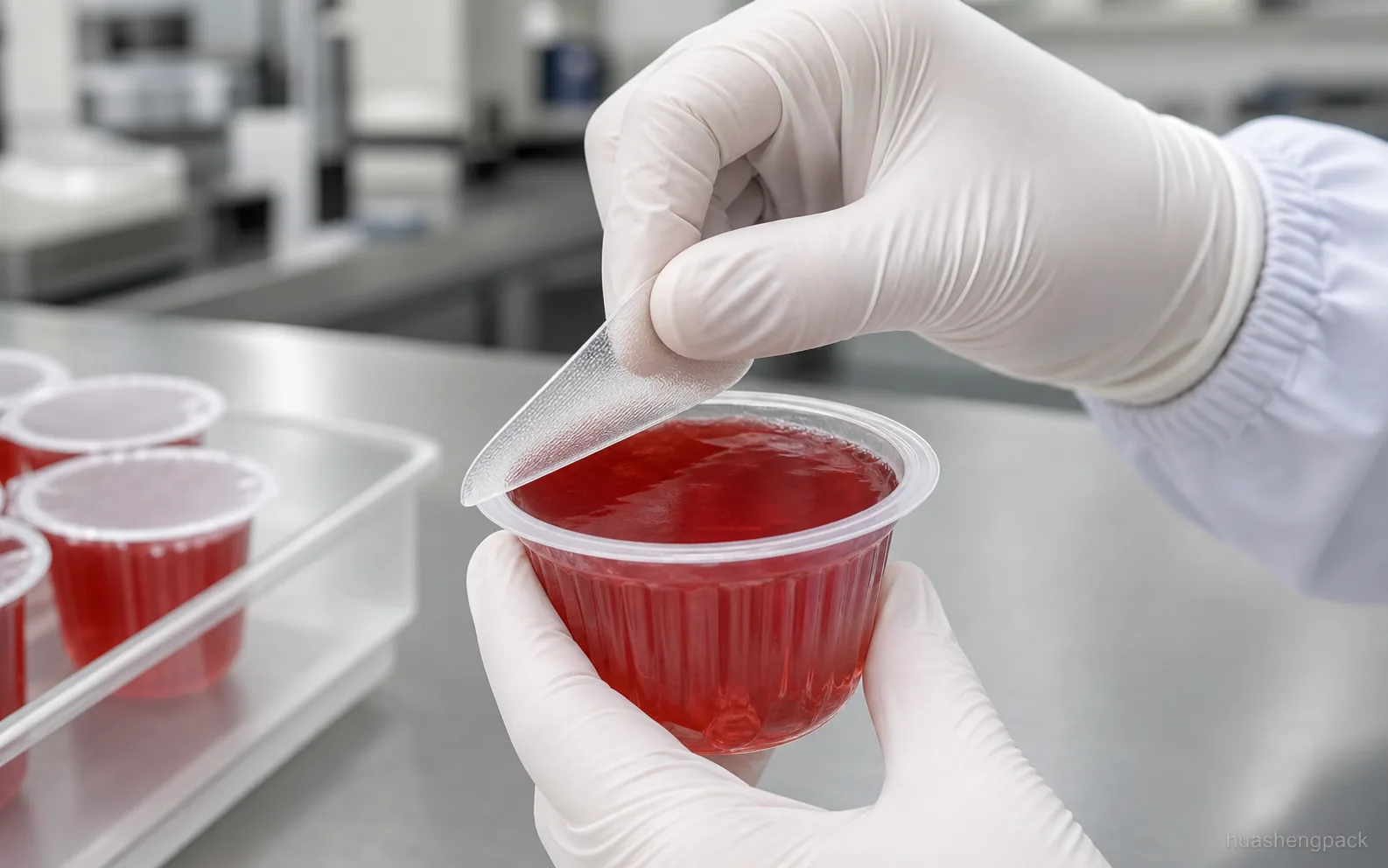
Easy peel sealing film (also called lidding film) is used to seal plastic cups for jelly, pudding, yogurt, dairy desserts and similar products. The film must achieve a reliable seal that prevents leakage during transport and storage, while allowing consumers to peel it open cleanly without tearing, excessive force, or leaving film residue on the cup rim. Achieving this balance between seal integrity and easy opening is the key technical challenge of lidding film.

Cup Material and Sealing Layer Compatibility

The lidding film's seal layer must be compatible with the cup material. Common cup materials include PP (polypropylene), PS (polystyrene), PET, and multi-layer barrier cups. The seal layer on the lidding film is formulated to bond with the specific cup material at the sealing temperature used on the filling line. If the cup material changes, the lidding film seal layer may need to be reformulated. Always provide the exact cup material specification to the film supplier.

Peel Strength and Clean Opening: Finding the Right Balance

Peel strength is measured as the force required to separate the lidding film from the cup. The target peel strength depends on the product and consumer expectations — typically between 4–12 N/15mm for most jelly and dairy cups. If peel strength is too low, the seal may fail during transport. If too high, consumers struggle to open the cup, leading to frustration and spillage. The supplier can adjust the seal layer formulation to achieve the desired peel force range.

Roll Film Width, Eye Mark and Automatic Sealing Machines

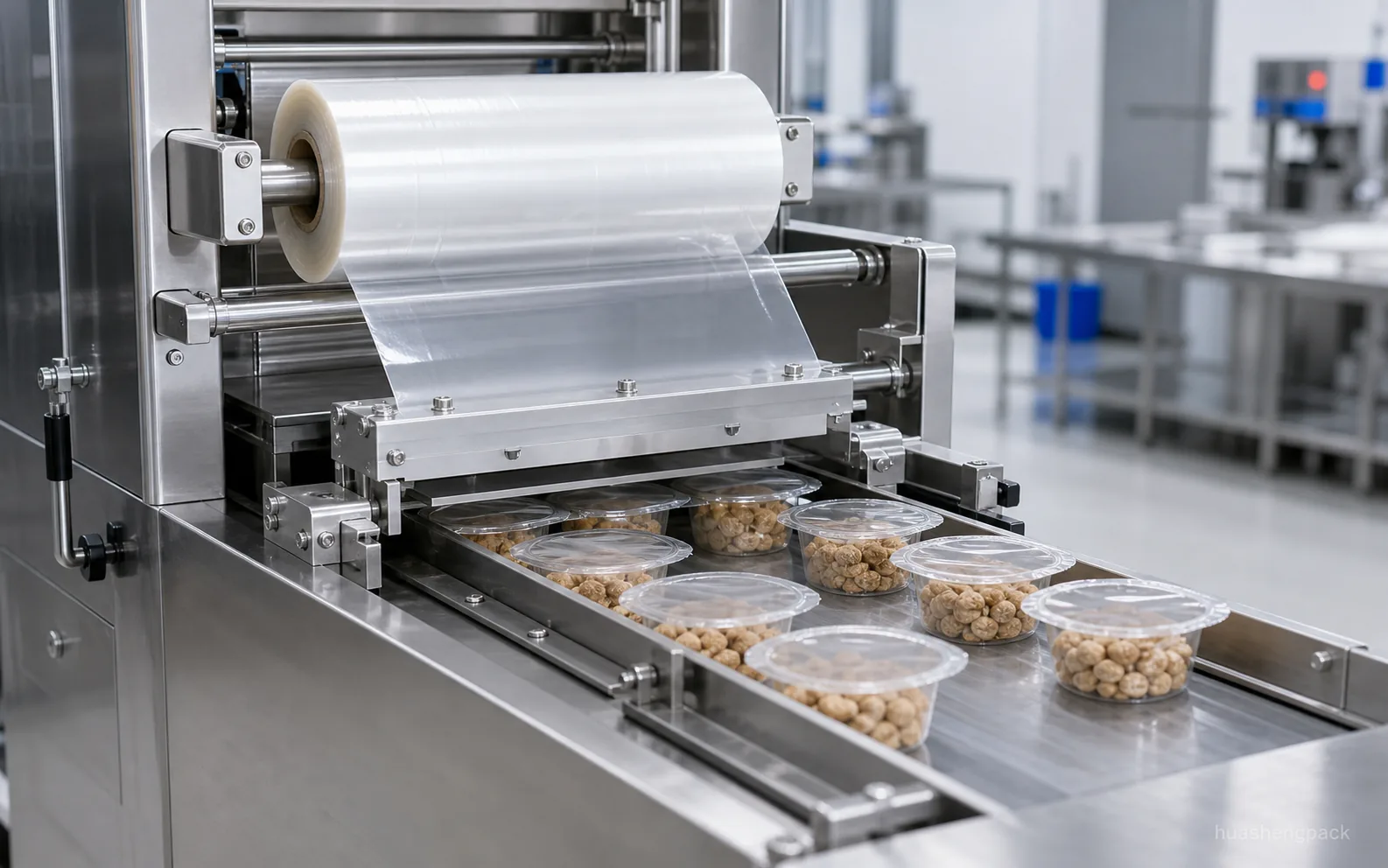
Lidding film is typically supplied as printed roll film with eye mark registration. The roll width must match the cup sealing machine's film feed system. Eye mark accuracy is critical because the printed design must align precisely with each cup position. Roll direction, core size, and film tension specifications must be confirmed with the machine manufacturer. Providing the machine brand and model helps the film supplier verify compatibility.

Common Problems and How to Prevent Them

Common lidding film problems include: wrinkles after sealing (caused by uneven film tension or incorrect sealing temperature), over-sealing making the film impossible to peel (seal layer too aggressive or sealing temperature too high), weak seals leading to leakage (insufficient sealing temperature or pressure), poor peel with film tearing or leaving residue (incompatible seal layer formulation), and misaligned printing (eye mark registration error). Pre-production sample testing with the actual cups and filling machine is the best way to identify and resolve these issues.

Sample Testing with Real Cups Is Essential

No laboratory test can fully replicate actual production conditions. Before committing to bulk lidding film production, request a sample roll and test it on your actual filling and sealing line with real cups and product. Test multiple sealing temperatures and dwell times to find the optimal operating window. Check seal integrity with leak testing, verify peel force with a tensile tester, and confirm consumer opening experience with a panel test if possible.

Information Needed for a Lidding Film Quotation

To provide an accurate quotation, the film supplier needs: cup material and rim diameter, target peel force range, sealing machine brand and model, sealing temperature range, roll width and core size, eye mark requirements, printing color count, artwork file, product type and filling condition (ambient, hot fill, chilled), target shelf life and storage conditions, estimated order quantity, and destination market requirements.

采购清单

  • Provide cup material specification (PP, PS, PET, or multi-layer)
  • Specify cup rim diameter and sealing surface width
  • Indicate target peel force range (e.g., 4–12 N/15mm)
  • Share sealing machine brand, model and temperature range
  • Specify roll width, core size and roll direction
  • Confirm eye mark requirements for print registration
  • Provide artwork file in CMYK with bleed and dieline
  • Describe product type and filling condition (ambient, hot fill, chilled)
  • Request sample roll and test on actual production line
  • Discuss estimated order quantity and lead time

相关产品

相关包装指南

常见问题

What peel strength is right for my product?

Most jelly and dairy cups target 4–12 N/15mm peel strength. The exact target depends on cup size, product weight, transport conditions and consumer expectations. The supplier can adjust the seal layer formulation to achieve your desired peel force range.

Can the same lidding film work on different cup materials?

No. The seal layer is formulated for a specific cup material (PP, PS, or PET). Using the wrong combination may result in seals that are too weak or too strong. Always confirm the cup material with the film supplier.

Why does the film wrinkle after sealing?

Wrinkling is usually caused by uneven film tension, incorrect sealing temperature, or misaligned film feed. Check your machine's film tension settings and verify that the sealing temperature and dwell time are within the film's recommended range.

How long does lidding film sample testing take?

Sample roll production typically takes 7–12 working days depending on printing complexity. Testing should be done on your actual filling line with real cups and product. Allow 1–2 weeks for thorough testing including seal strength, leak testing, and consumer opening evaluation.