Retort Pouch Material Structure Guide for High Temperature Sterilization
فريق مراجعة المحتوى الفني في Huasheng Packaging · النشر: · التحديث:
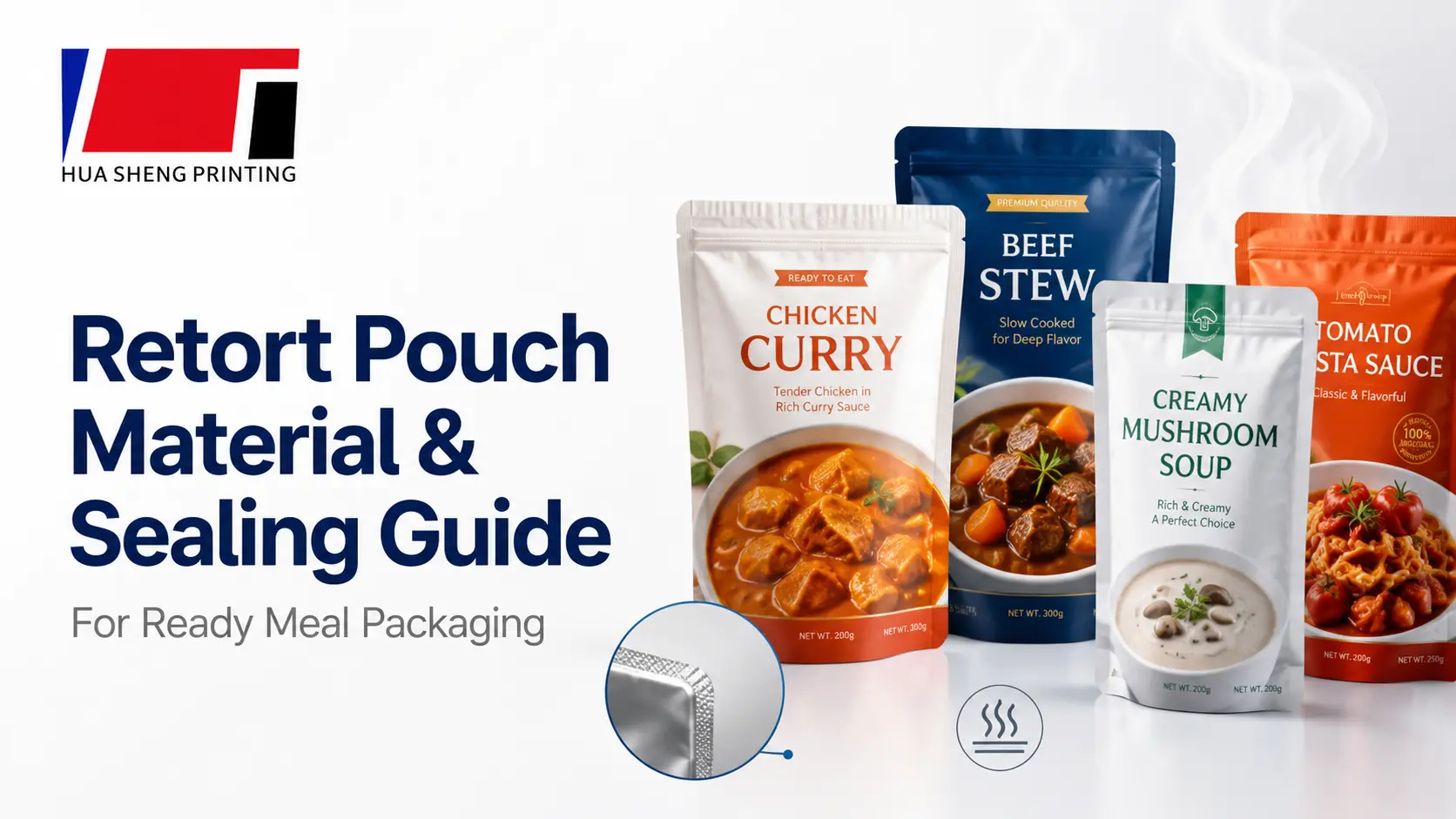 Technical guide visual for Retort Pouch Material Layers: PET, Aluminum Foil, Nylon and RCPP.
Retort pouch material structure guide for 121-135 degree sterilization. Explains PET/AL/NY/CPP, PET/NY/CPP, sealing strength and quality control tests.
الإجابة المباشرة
يقدم هذا القسم توجيهاً مخصصاً حول دليل بنية مواد أكياس الريتورت عالية الحرارة، ويربط قرار الشراء بالمنتج الفعلي وطريقة التعبئة ومتطلبات السوق.
Why Retort Pouch Material Structure Matters
عند تقييم دليل بنية مواد أكياس الريتورت عالية الحرارة، يجب أولاً تحديد حالة الاستخدام والقيود الفنية ومصدر الخطر قبل اعتماد المواصفة. المصطلحات والأرقام التي يجب إبقاؤها كما هي في المواصفة: 121°C, 135°C.
Common Retort Pouch Failures and Their Causes
في مشروع دليل بنية مواد أكياس الريتورت عالية الحرارة، تجنب الاختيار على أساس السعر أو المظهر وحدهما، وراجع توافق المادة والآلة وظروف الاستخدام. المصطلحات والأرقام التي يجب إبقاؤها كما هي في المواصفة: CPP, RCPP, AL, VMPET, 1, 2, 3, 4, 5, 6.
Common Retort Pouch Material Structures
بالنسبة إلى دليل بنية مواد أكياس الريتورت عالية الحرارة، قارن البدائل وفق وظيفة العبوة والأداء المطلوب، ثم أكد الاختيار بعينة أو تجربة ممثلة للإنتاج. المصطلحات والأرقام التي يجب إبقاؤها كما هي في المواصفة: PET/AL/CPP, PET/NY/CPP, PET/AL/NY/CPP, PET, AL, CPP, NY, 121°C.
Quality Control Points for Retort Pouch Production
يتطلب ضبط جودة دليل بنية مواد أكياس الريتورت عالية الحرارة معايير قبول قابلة للقياس وفحص الخامة والطباعة والإغلاق وأداء العبوة المملوءة. المصطلحات والأرقام التي يجب إبقاؤها كما هي في المواصفة: QC, AND, NY, 121°C, 135°C.
What to Prepare Before Retort Pouch Quotation
لطلب عرض دقيق بشأن دليل بنية مواد أكياس الريتورت عالية الحرارة، جهز بيانات المنتج والمقاس والبنية والكمية والعمل الفني والآلة والسوق المستهدف. المصطلحات والأرقام التي يجب إبقاؤها كما هي في المواصفة: MOQ, AI, PDF, PSD, 1, 2, 121°C, 135°C, 3, 4, 5, 6, 7, 8, 9, 10, 30,000, 11, 12, 13.
منتجات ذات صلة
أدلة تغليف ذات صلة
الأسئلة الشائعة
What material is used for retort pouches?
Retort pouches use multi-layer laminated structures with heat-resistant outer layers (PET or NY), barrier layers (AL or VMPET), and retort-grade inner sealing layers (CPP or RCPP). Common structures include PET/AL/CPP, PET/NY/CPP, PET/AL/NY/CPP and customized retort structures depending on sterilization temperature and product requirements.
Can retort pouches withstand 121°C sterilization?
Yes. Standard retort pouch structures using retort-grade CPP sealing layers and appropriate adhesives are designed for 121°C sterilization. The specific structure, sealing conditions and sterilization time should be confirmed and tested with the actual product before bulk production.
What is the difference between 121°C and 135°C retort pouch structures?
135°C sterilization places higher demands on material heat resistance, sealing layer stability and adhesive performance. Structures for 135°C typically require higher-grade CPP or RCPP sealing layers and may need additional material reinforcement. The structure must be specifically designed and tested for the target sterilization temperature — a 121°C structure should not be assumed suitable for 135°C.
Can retort pouches be transparent?
Yes. Transparent retort structures without aluminum foil (such as PET/NY/CPP) are available for products where consumer visibility or microwave reheating is important. However, barrier performance is lower without the aluminum layer, so shelf life expectations should be discussed and confirmed.
What testing should be done before mass production?
Key tests include: sealing strength before and after simulated sterilization, lamination strength after sterilization, leakage test, pouch appearance after sterilization, puncture resistance if applicable, and most importantly, testing with the customer actual filling product and sterilization process. We recommend a pilot production run with full sterilization testing before bulk order confirmation.
What information is needed for a retort pouch quotation?
Please provide: product type, sterilization temperature and time, sterilization equipment type, filling weight, preferred pouch size and format, expected shelf life, storage condition, material structure preference if known, quantity, printing colors, artwork file and target market.