Easy Peel Sealing Film for Jelly Cups
Nhóm rà soát nội dung kỹ thuật Huasheng Packaging · Đăng: · Cập nhật:
 Lidding film selection should match the cup substrate, product, sealing equipment and opening target.
Easy peel sealing film guide for jelly cups, pudding cups and cup food packaging. Covers material structures, sealing temperature, peel strength and quality control.
Trả lời trực tiếp
Phần này cung cấp hướng dẫn riêng cho Hướng dẫn màng hàn dễ bóc cho cốc thạch, gắn quyết định mua hàng với sản phẩm thực tế, phương pháp đóng gói và thị trường đích.
Hướng dẫn kỹ thuật đã rà soát bằng chứng
2026-08-12 · Huasheng Packaging Technical Content Review
Phạm vi bằng chứng
Cup and lidding-film compatibility, peel specification, laboratory-to-production sealing and approval change control.
Phạm vi và giới hạn
The guide does not prescribe a universal sealant, peel force or process setting. Cup grade, product, machine and consumer target remain project-specific.
Kết luận chính
- Easy peel is a result of the complete cup-lid-process system.
- Seal-strip and whole-lid methods answer different questions.
- Integrity and opening behavior require production-representative validation.
What Is Easy Peel Sealing Film and Why It Matters
Khi đánh giá Hướng dẫn màng hàn dễ bóc cho cốc thạch, trước hết cần xác định ứng dụng thực tế, giới hạn kỹ thuật và dạng lỗi mà quy cách phải kiểm soát. Giữ nguyên các thuật ngữ kỹ thuật và giá trị sau trong quy cách: PP, PS, PE, PET.
Common Material Structures for Cup Sealing Film
Với Hướng dẫn màng hàn dễ bóc cho cốc thạch, không nên chọn chỉ theo giá hoặc hình thức; cần kiểm tra cả độ tương thích của vật liệu, máy và điều kiện sử dụng. Giữ nguyên các thuật ngữ kỹ thuật và giá trị sau trong quy cách: PET/PE, PET/CPP, PET/AL/PE, PET/VMPET/PE, PET, PE, PP, CPP, AL, VMPET.
Key Performance Factors for Easy Peel Sealing Film
Đối với Hướng dẫn màng hàn dễ bóc cho cốc thạch, hãy so sánh phương án theo chức năng và hiệu năng yêu cầu, sau đó xác nhận bằng mẫu hoặc thử nghiệm đại diện cho sản xuất. Giữ nguyên các thuật ngữ kỹ thuật và giá trị sau trong quy cách: PP, PS, PE, AL, VMPET.
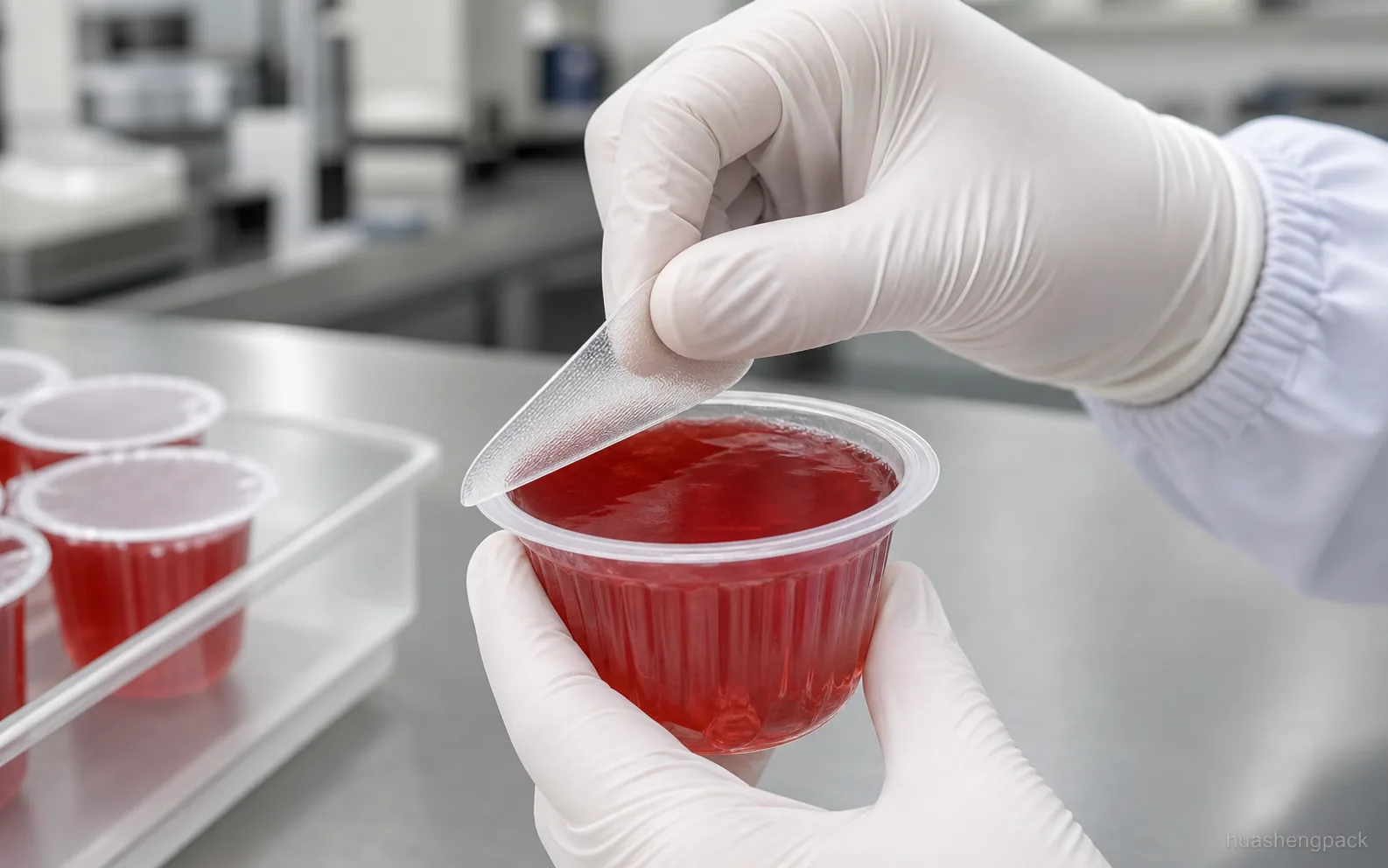
Common Problems and How to Avoid Them
Kiểm soát chất lượng Hướng dẫn màng hàn dễ bóc cho cốc thạch cần tiêu chí đo được cho vật liệu, in, đường hàn và hiệu năng của bao bì đã chứa sản phẩm. Giữ nguyên các thuật ngữ kỹ thuật và giá trị sau trong quy cách: VMPET, AL.
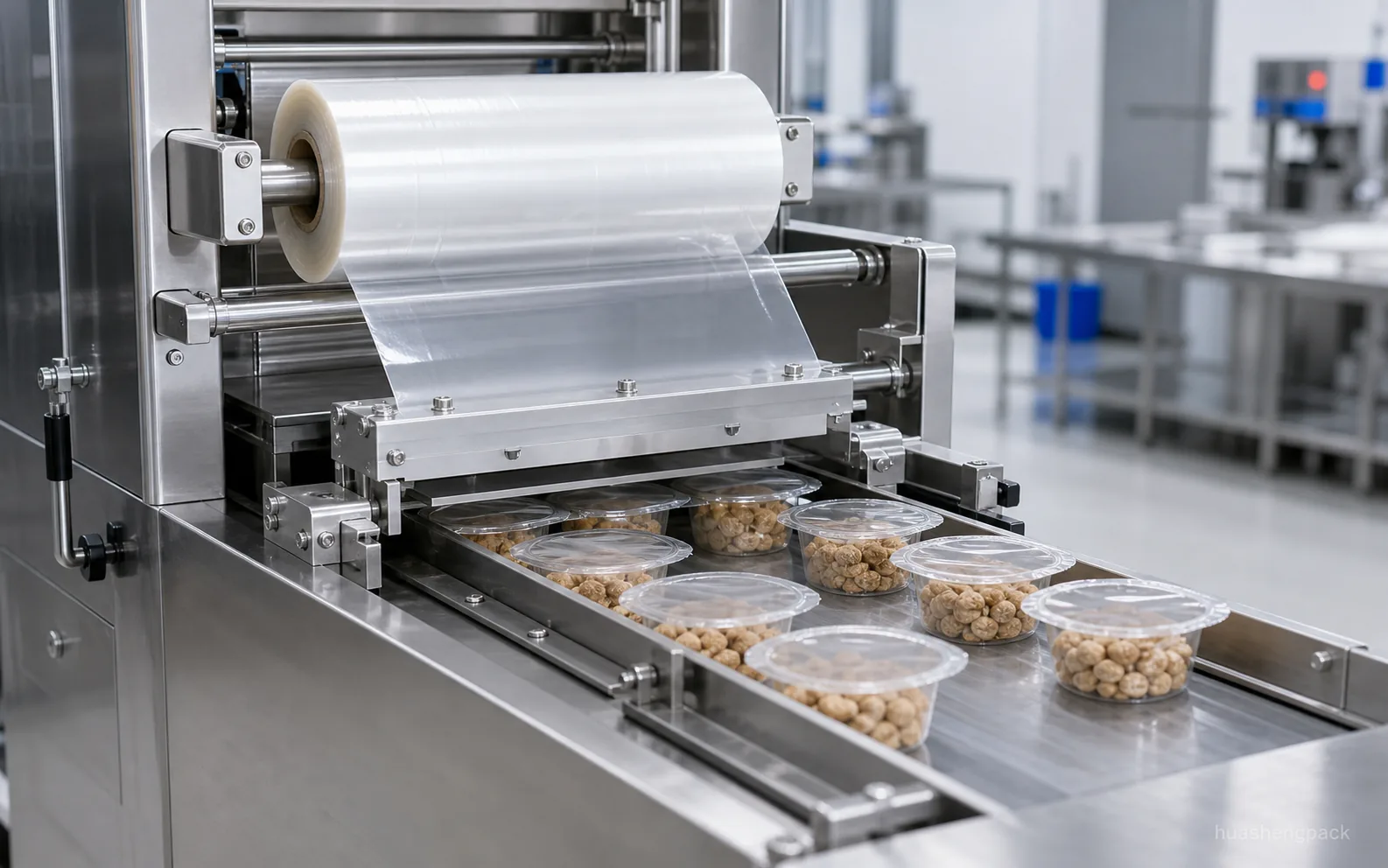
What to Prepare Before Sealing Film Quotation
Để báo giá chính xác cho Hướng dẫn màng hàn dễ bóc cho cốc thạch, hãy chuẩn bị dữ liệu sản phẩm, kích thước, cấu trúc, số lượng, file thiết kế, máy và thị trường mục tiêu. Giữ nguyên các thuật ngữ kỹ thuật và giá trị sau trong quy cách: PP, PS, PE, PET, AI, PDF, PSD, 1, 2, 3, 4, 5, 6, 7, 8, 9, 10, 11, 12, 13.
Sản phẩm liên quan
Hướng dẫn đóng gói liên quan
Claim-to-source evidence matrix
| Reviewed claim | Support | Sources | Boundary |
|---|
| Seal-strip strength and whole-lid peel testing are distinct measurements. | direct | [1], [2] | Neither result alone proves absence of leaks. |
| Laboratory heat seals provide screening data but do not validate production equipment. | direct | [3] | The exact cup, sealing head and line conditions remain necessary. |
| Food-contact suitability depends on components and conditions of use. | direct | [4], [5] | Destination-market requirements need separate confirmation. |
| Seal strength supports process validation and control but is not a complete leak assessment. | direct | [1] | Use an integrity method selected for the actual defect risk. |
JSON · CSV
Bằng chứng và tài liệu kỹ thuật
- ASTM F88/F88M-21: Seal Strength of Flexible Barrier Materials · ASTM International · standard
Seal strength is a quantitative measure used for process validation, control and capability - ASTM F2824-10(2025): Mechanical Seal Strength Testing for Round Cups and Bowl Containers with Flexible Peelable Lids · ASTM International · standard
Whole-lid peel testing and seal-strip testing answer different package-opening questions - ASTM F2029-16(2021): Laboratory Heat Seals for Determination of Heat Sealability of Flexible Barrier Materials · ASTM International · standard
Laboratory heat-seal curves provide starting relationships and do not replace production-equipment validation - Determining the Regulatory Status of Components of a Food Contact Material · U.S. Food and Drug Administration · government
Food-contact status depends on each component, its authorization, specifications and conditions of use - Food Types and Conditions of Use for Food Contact Substances · U.S. Food and Drug Administration · government
Food-contact review depends on the food type and the intended temperature and storage conditions
Câu hỏi thường gặp
What is easy peel sealing film?
Easy peel sealing film is a specialized lidding material for cup-sealed food packaging such as jelly cups, pudding cups, yogurt-style desserts and sauce cups. It creates a strong, leak-resistant seal on the cup rim during storage and transport, while allowing consumers to peel it open smoothly. The easy-peel function comes from a specially formulated heat-seal layer that bonds to the cup material but separates cleanly when peeled.
What material is used for jelly cup sealing film?
Common structures include PET/PE for ambient-filled jelly cups, PET/CPP for hot-filled pudding (better heat resistance), PET/AL/PE for products needing high barrier protection, and PET/VMPET/PE for improved barrier without full aluminum cost. The optimal structure depends on cup material, filling temperature and shelf life requirements.
Why is peeling force important?
Peeling force directly affects consumer experience and product integrity. Too high = frustrating to open. Too low = risk of accidental opening during transport and handling. The target peel force depends on cup material, product type and brand preference. Peel force can be adjusted by modifying the sealing layer formulation and should be tested with actual cup material.
Can the lidding film be printed?
Yes. Custom printed lidding film supports brand design, product information and eye mark registration for automatic cup sealing machines. Up to 9-color gravure printing is available. Provide artwork in AI, PDF or PSD format.
How can I avoid poor sealing on cup edges?
Poor sealing is usually caused by incompatible sealing layer and cup material, incorrect sealing temperature or pressure, cup rim contamination, or uneven cup rim surface. To avoid these issues: confirm cup material with the film supplier, test sealing with actual cup samples, ensure clean cup rims before sealing, and verify machine sealing parameters.
What information is needed for a sealing film quotation?
Please provide: cup material and diameter, sealing machine type if known, filling product, filling temperature, storage condition, required shelf life, preferred peel feel, roll width, printing requirement, quantity, artwork file if printing, and target market.