Why Same Price Packaging Bags Can Have Different Quality
Nhóm rà soát nội dung kỹ thuật Huasheng Packaging · Đăng: · Cập nhật:
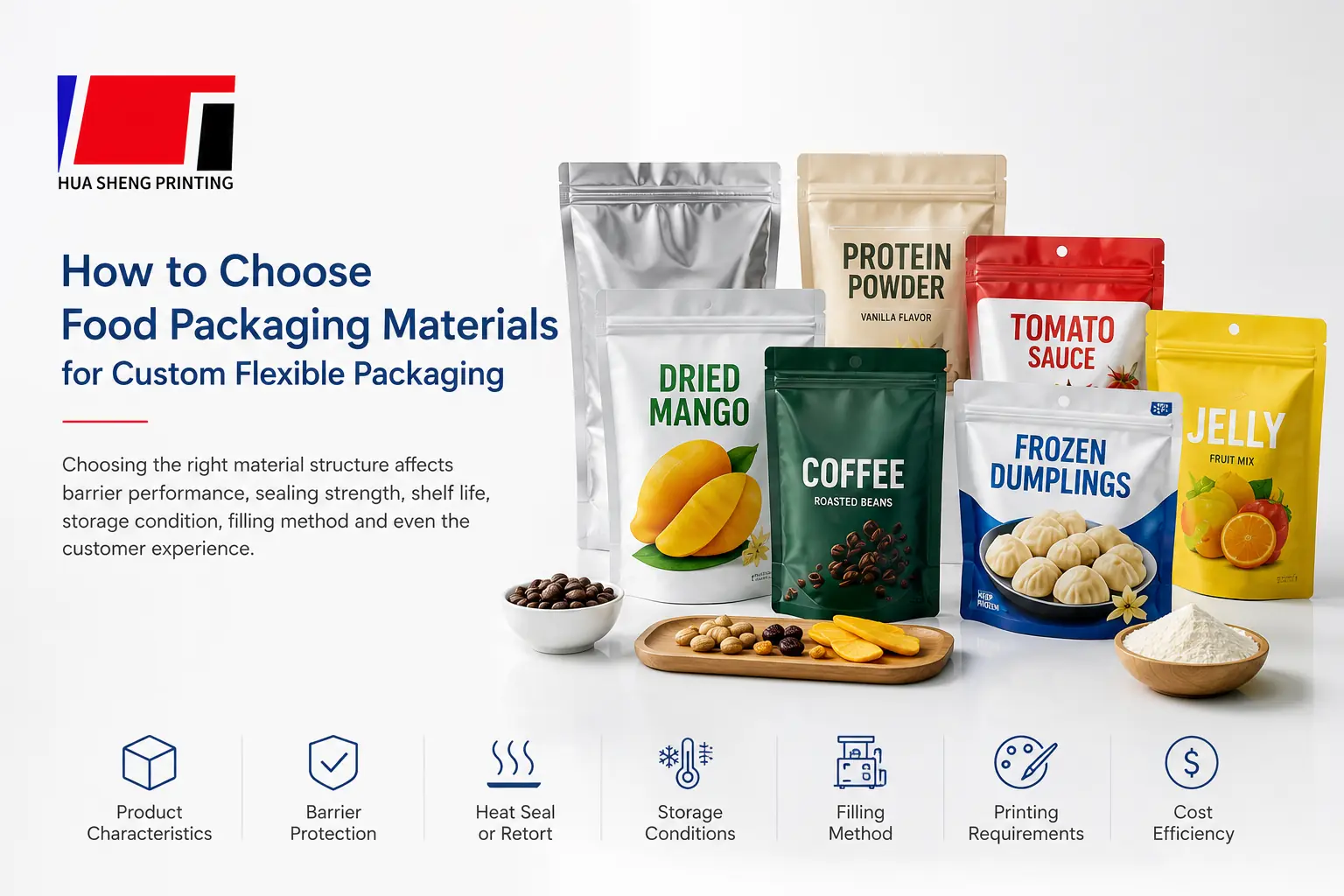 Technical guide visual for Why Same Price Packaging Bags Can Have Different Quality.
Learn why custom packaging bags with the same price may have different quality, including material structure, thickness, printing, lamination, sealing, hidden costs and supplier comparison.
Trả lời trực tiếp
Phần này cung cấp hướng dẫn riêng cho Tại sao túi bao bì cùng giá lại có chất lượng khác nhau, gắn quyết định mua hàng với sản phẩm thực tế, phương pháp đóng gói và thị trường đích.
Same Material Name Does Not Always Mean Same Structure
Khi đánh giá Tại sao túi bao bì cùng giá lại có chất lượng khác nhau, trước hết cần xác định ứng dụng thực tế, giới hạn kỹ thuật và dạng lỗi mà quy cách phải kiểm soát. Giữ nguyên các thuật ngữ kỹ thuật và giá trị sau trong quy cách: PET/PE, PET, PE.
Thickness and Weight Affect Cost and Performance
Với Tại sao túi bao bì cùng giá lại có chất lượng khác nhau, không nên chọn chỉ theo giá hoặc hình thức; cần kiểm tra cả độ tương thích của vật liệu, máy và điều kiện sử dụng.
Printing Quality Is More Than the Number of Colors
Đối với Tại sao túi bao bì cùng giá lại có chất lượng khác nhau, hãy so sánh phương án theo chức năng và hiệu năng yêu cầu, sau đó xác nhận bằng mẫu hoặc thử nghiệm đại diện cho sản xuất.
Lamination and Curing Affect Long-term Stability
Kiểm soát chất lượng Tại sao túi bao bì cùng giá lại có chất lượng khác nhau cần tiêu chí đo được cho vật liệu, in, đường hàn và hiệu năng của bao bì đã chứa sản phẩm.
Sealing and Pouch Making Tolerance Matter for Machine Users
Để báo giá chính xác cho Tại sao túi bao bì cùng giá lại có chất lượng khác nhau, hãy chuẩn bị dữ liệu sản phẩm, kích thước, cấu trúc, số lượng, file thiết kế, máy và thị trường mục tiêu. Giữ nguyên các thuật ngữ kỹ thuật và giá trị sau trong quy cách: VFFS/HFFS, VFFS, HFFS.
Sản phẩm liên quan
Hướng dẫn đóng gói liên quan
Câu hỏi thường gặp
Why can the same packaging bag price lead to different quality?
Material thickness, structure details, printing control, lamination quality, curing time, sealing strength, dimensional tolerance and packing methods may all differ between suppliers, even when the unit price looks similar. Buyers should check what is included in the quotation beyond the unit price.
Is cheaper packaging always lower quality?
Not always. But a lower price may reflect thinner materials, fewer quality checks, faster curing times or outsourced production steps. Buyers should understand what drives the cost rather than only comparing the final number. Ask the supplier to explain the material structure, production process and quality control behind the price.
How should I compare flexible packaging suppliers?
Compare not only unit price but also material explanation clarity, artwork checking process, in-house production capability, quality control detail, sample support, communication responsiveness and willingness to discuss risks before production. A supplier who asks detailed questions about your product before quoting is generally more reliable than one who gives a price immediately without understanding your needs.
Why does material structure matter so much?
The material structure determines barrier performance, sealing compatibility, puncture resistance, shelf life, machine compatibility and final cost. Two structures may look similar on paper but perform differently depending on thickness, layer quality and production process control.
What hidden costs should buyers watch for in custom packaging?
Common hidden costs include cylinder engraving fees, sample charges, material change costs, reprinting due to artwork issues, shipping damage from inadequate packing, production delays from unclear specifications, and quality failure costs from insufficient testing. Discuss these factors with the supplier before confirming the order.
What information should I send before requesting a packaging quotation?
Send your product type, filling weight, preferred bag size or roll width, material structure if known, thickness requirement if known, packing machine type, estimated quantity, printing colors, artwork file if available, sample photo if available, target market, and shelf life or storage condition requirements.