Why Same Price Packaging Bags Can Have Different Quality
Huasheng Packaging Teknik İçerik İnceleme Ekibi · Yayın: · Güncelleme:
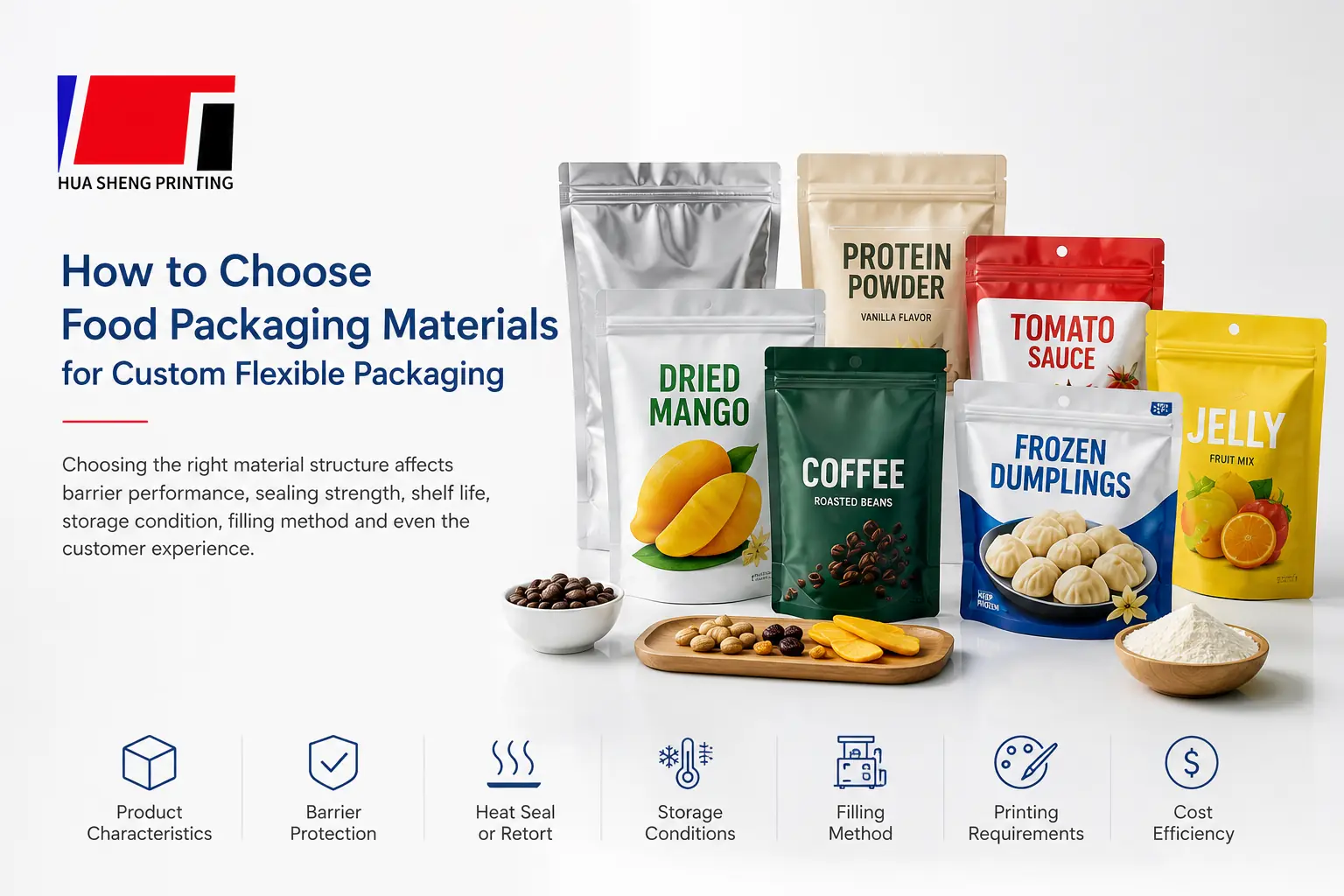 Technical guide visual for Why Same Price Packaging Bags Can Have Different Quality.
Learn why custom packaging bags with the same price may have different quality, including material structure, thickness, printing, lamination, sealing, hidden costs and supplier comparison.
Doğrudan yanıt
Bu bölüm Aynı fiyatlı poşetler neden farklı kalitede olabilir için projeye özgü yönlendirme sunar ve satın alma kararını gerçek ürün, dolum yöntemi ve hedef pazarla ilişkilendirir.
Same Material Name Does Not Always Mean Same Structure
Aynı fiyatlı poşetler neden farklı kalitede olabilir değerlendirilirken önce gerçek kullanım, teknik sınırlar ve şartnamenin kontrol edeceği hata biçimi tanımlanmalıdır. Şartnamede şu teknik terimleri ve değerleri değiştirmeden koruyun: PET/PE, PET, PE.
Thickness and Weight Affect Cost and Performance
Aynı fiyatlı poşetler neden farklı kalitede olabilir için yalnızca fiyat veya görünüme göre seçim yapmayın; malzeme, makine ve kullanım koşullarının uyumunu da inceleyin.
Printing Quality Is More Than the Number of Colors
Aynı fiyatlı poşetler neden farklı kalitede olabilir için seçenekleri işlev ve gerekli performansa göre karşılaştırın, ardından temsili numune veya üretim denemesiyle doğrulayın.
Lamination and Curing Affect Long-term Stability
Aynı fiyatlı poşetler neden farklı kalitede olabilir kalite kontrolü; malzeme, baskı, sızdırmazlık ve dolu ambalaj performansı için ölçülebilir kabul kriterleri gerektirir.
Sealing and Pouch Making Tolerance Matter for Machine Users
Aynı fiyatlı poşetler neden farklı kalitede olabilir için doğru teklif almak üzere ürün, ölçü, yapı, miktar, tasarım, makine ve hedef pazar bilgilerini hazırlayın. Şartnamede şu teknik terimleri ve değerleri değiştirmeden koruyun: VFFS/HFFS, VFFS, HFFS.
İlgili Ürünler
İlgili Ambalaj Kılavuzları
Sıkça Sorulan Sorular
Why can the same packaging bag price lead to different quality?
Material thickness, structure details, printing control, lamination quality, curing time, sealing strength, dimensional tolerance and packing methods may all differ between suppliers, even when the unit price looks similar. Buyers should check what is included in the quotation beyond the unit price.
Is cheaper packaging always lower quality?
Not always. But a lower price may reflect thinner materials, fewer quality checks, faster curing times or outsourced production steps. Buyers should understand what drives the cost rather than only comparing the final number. Ask the supplier to explain the material structure, production process and quality control behind the price.
How should I compare flexible packaging suppliers?
Compare not only unit price but also material explanation clarity, artwork checking process, in-house production capability, quality control detail, sample support, communication responsiveness and willingness to discuss risks before production. A supplier who asks detailed questions about your product before quoting is generally more reliable than one who gives a price immediately without understanding your needs.
Why does material structure matter so much?
The material structure determines barrier performance, sealing compatibility, puncture resistance, shelf life, machine compatibility and final cost. Two structures may look similar on paper but perform differently depending on thickness, layer quality and production process control.
What hidden costs should buyers watch for in custom packaging?
Common hidden costs include cylinder engraving fees, sample charges, material change costs, reprinting due to artwork issues, shipping damage from inadequate packing, production delays from unclear specifications, and quality failure costs from insufficient testing. Discuss these factors with the supplier before confirming the order.
What information should I send before requesting a packaging quotation?
Send your product type, filling weight, preferred bag size or roll width, material structure if known, thickness requirement if known, packing machine type, estimated quantity, printing colors, artwork file if available, sample photo if available, target market, and shelf life or storage condition requirements.