Cylinder Cost and Printing Plate Fees in Custom Flexible Packaging: What First-Time Buyers Must Know

Learn why custom flexible packaging orders may include cylinder cost, printing plate fees, sample fees and setup costs, and how first-time buyers can plan packaging quotations.
Published: 2026-06-29
Why Cylinder Cost Appears in Custom Flexible Packaging
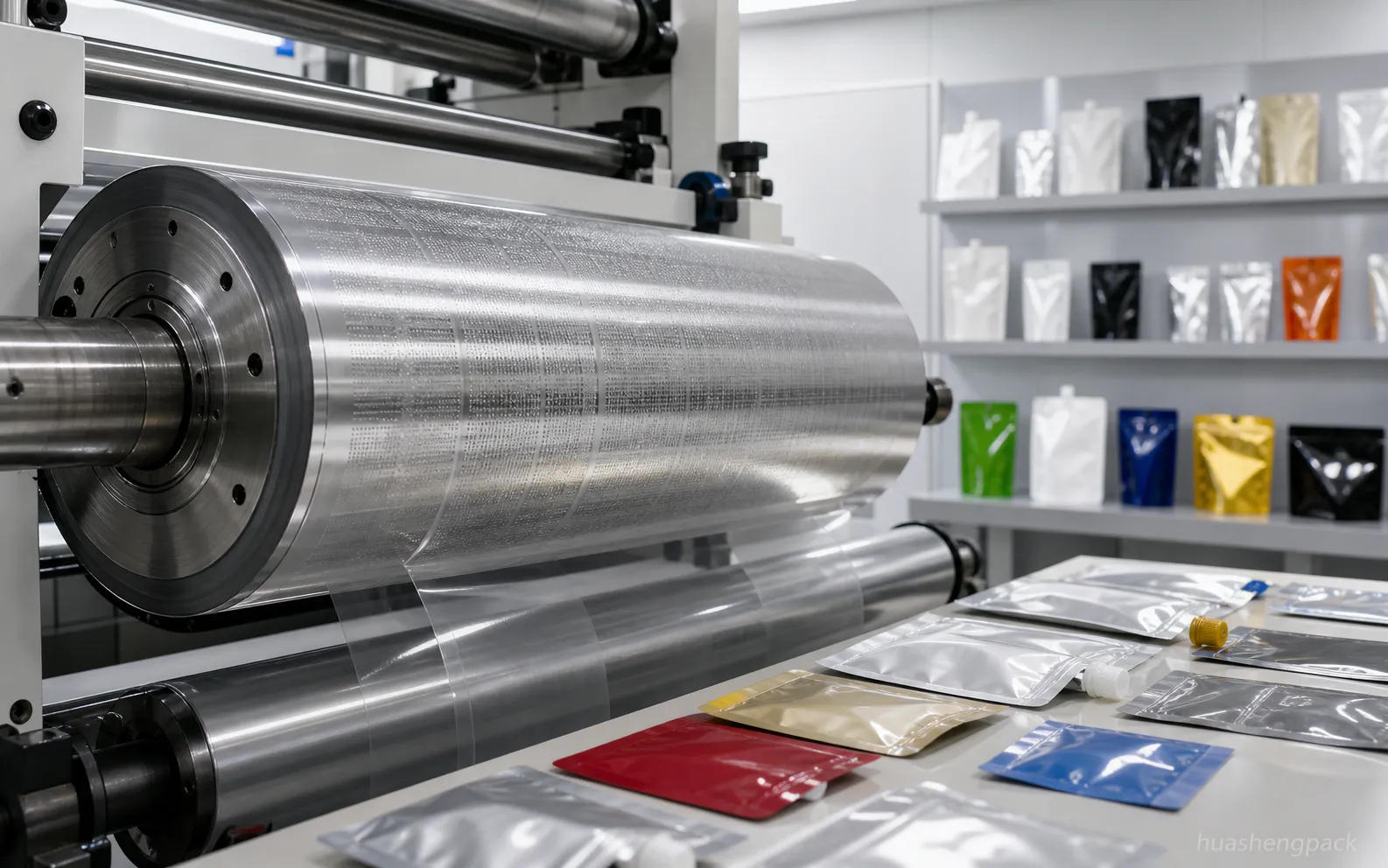
Rotogravure printing uses engraved metal cylinders — one per color — to transfer ink onto the packaging film. Unlike digital printing, which can print directly from a file, gravure printing requires physical cylinders to be manufactured for your specific design.
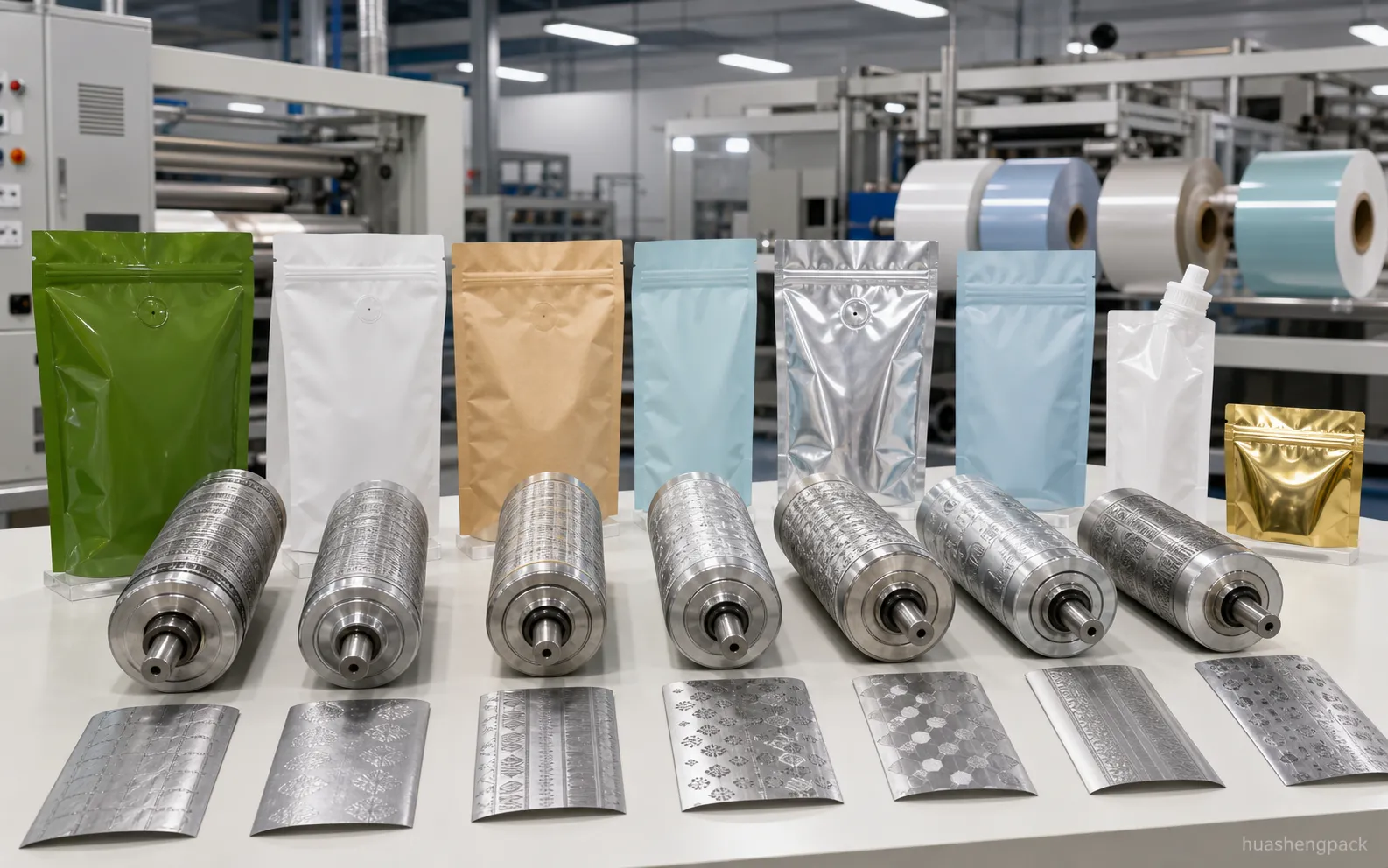
Each cylinder is precision-engraved with your artwork pattern. For a 6-color design, six separate cylinders are typically needed. These cylinders represent a one-time setup investment. The cost covers raw cylinder material, electro-mechanical engraving, chrome plating, and quality checking.
This is not a 'hidden charge' or 'extra fee' invented by the supplier. It is a standard production cost in the rotogravure printing industry. Understanding this helps you evaluate quotations more accurately and plan your packaging budget.
What Is a Gravure Printing Cylinder — and Why Each Color Needs One
A gravure printing cylinder is a steel roller with a precision-engraved surface that holds and transfers ink to the packaging film. Think of it as the printing 'master' for your design.
In rotogravure printing, each color is applied by a separate printing station on the press. Each station has its own cylinder, ink supply, and drying system. A 4-color design needs 4 cylinders. A 6-color design needs 6. A 9-color design needs 9. The more colors in your design, the more cylinders are required, and the higher the combined cylinder cost.
Cylinders can usually be reused for repeat orders if the design and bag size remain exactly the same. This is why repeat orders often have lower unit costs — the cylinder investment was already made in the first order.
- CMYK process printing typically uses 4 cylinders (Cyan, Magenta, Yellow, Black). Additional spot colors (Pantone, metallic, white base) each require an extra cylinder.
- Cylinders can usually be reused for repeat orders if the design and bag size remain exactly the same.
Cylinder Cost vs Sample Fee vs Unit Price — How They Fit Together
Cylinder cost / printing plate fee: One-time setup cost for manufacturing printing cylinders. Charged once at the beginning. Can usually be reused for repeat orders of the same design and size.
Custom printed sample fee: Covers the material, machine time, and labor to produce a small batch of printed samples for your approval. Some suppliers may provide existing production samples at no charge, but custom printed pre-production samples usually involve a fee. Courier cost for sending samples is typically paid by the buyer.
Unit price: The per-piece or per-kilogram price of the finished packaging. This covers raw materials, printing, lamination, slitting or bag-making, quality inspection, and packing. Unit price is higher for small quantities because fixed costs (machine setup, material waste, cylinder amortization) are spread over fewer units.
How Printing Colors, Finish and Surface Effects Affect Cost
The number of printing colors directly affects cylinder cost and overall project pricing. Each color = 1 cylinder. CMYK (4 colors) = 4 cylinders. CMYK + 2 spot colors = 6 cylinders. More cylinders mean higher one-time setup cost and more complex printing control.
Matte finish, gloss finish, and soft-touch coating are achieved through different lamination films or surface treatment, not through the printing cylinders themselves. However, the finish choice affects the overall material structure and cost.
A transparent window in a pouch requires precise die-cutting and material coordination. The window area does not have the barrier layers that the rest of the pouch may have, so barrier requirements must be reviewed together.
- White ink base counts toward your total color count — it is an additional printing station and cylinder.
- Metallic appearance can be achieved through metallized film (VMPET) or metallic spot color ink — different cost and appearance implications.
- Clear window design affects cylinder layout and printing registration.
How to Reduce Setup Cost Risk — and What to Prepare Before Quotation
Confirm bag size and design before cylinder production. Once cylinders are made, changing the bag size or artwork layout means making new cylinders.
Finalize artwork before approving cylinder engraving. Post-approval design changes add cost and delay. Avoid frequent design changes between orders — each new design requires new cylinders.
Consider stock pouches with labels if your first launch quantity is very small (a few thousand units). This avoids cylinder investment until your volume and design are confirmed. Plan repeat orders — the more you reorder the same design, the lower the per-unit cylinder cost.
Ask your supplier to clarify which costs are one-time and which are recurring before confirming the order. Provide complete information upfront: bag type, size, material structure, quantity, printing colors, artwork file, surface finish, accessories, and destination country.
Verwandte Produkte
Verwandte Verpackungsleitfäden
Häufig gestellte Fragen
What is cylinder cost in flexible packaging?
Cylinder cost (also called printing plate fee or engraving fee) is the one-time cost of manufacturing gravure printing cylinders for your custom packaging design. Each color in your design typically requires one cylinder. This is a standard setup cost in rotogravure printing, not a hidden fee.
Why does each color need a separate printing cylinder?
In rotogravure printing, each color is applied by a separate printing station with its own engraved cylinder, ink supply, and drying system. A 6-color design needs 6 cylinders. CMYK process printing uses 4 cylinders; additional spot colors each need one more.
Can the cylinder cost be reused for repeat orders?
Yes. If the design and bag size remain the same, cylinders can usually be reused for repeat orders. This is why repeat orders typically have lower unit costs — the cylinder investment was already covered in the first order. Cylinders have a long but finite service life and may need replacement after extensive use.
Is cylinder cost the same as sample fee?
No. Cylinder cost covers manufacturing the printing cylinders. Sample fee covers producing a small batch of printed samples for your approval. Some suppliers provide existing production samples at no charge, but custom printed pre-production samples involve material, machine time and labor costs.
Why is the first custom packaging order more expensive?
The first order includes one-time setup costs: cylinder manufacturing, pre-press preparation, printing registration setup, and initial material waste during color matching. For small quantities, these fixed costs are spread over fewer units, resulting in a higher per-unit price. Repeat orders spread the cylinder investment over more units.
Can I avoid cylinder cost by using stock pouches and labels?
Yes. If your launch quantity is small (a few thousand units), using stock pouches with custom printed labels is a practical way to avoid cylinder investment. Stock pouches are pre-made in common sizes and materials. You can apply your own labels for branding. Once your volume and design are finalized, you can transition to custom printed pouches.
What information should I provide before requesting a quotation?
Provide: bag type, size, material structure (or product type for recommendation), quantity, number of printing colors, artwork file (if available), surface finish preference, accessories (zipper, tear notch, valve, window), and destination country. The more complete your information, the more accurate the quotation.