PE Film as a Flexible Packaging Sealing Layer
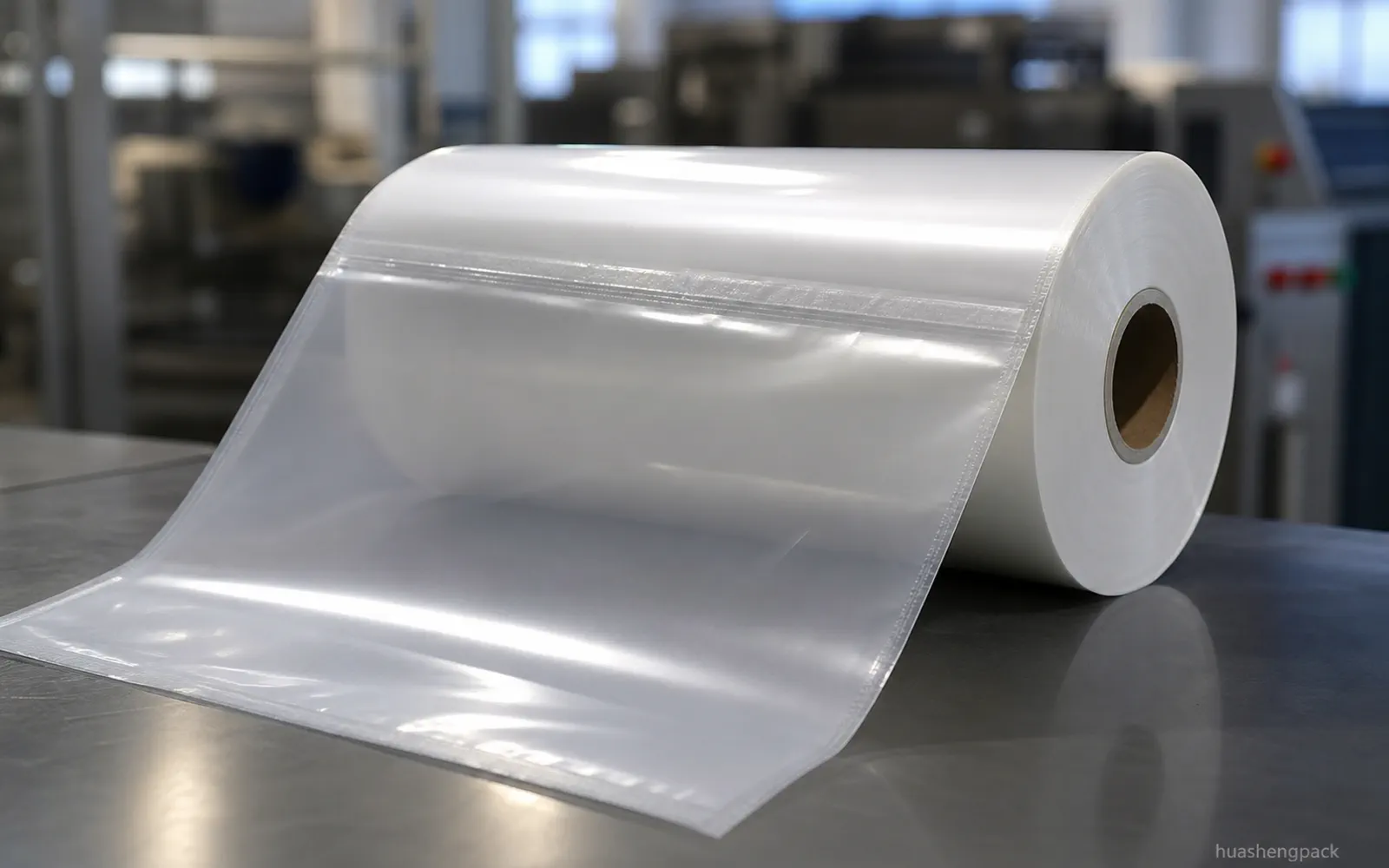
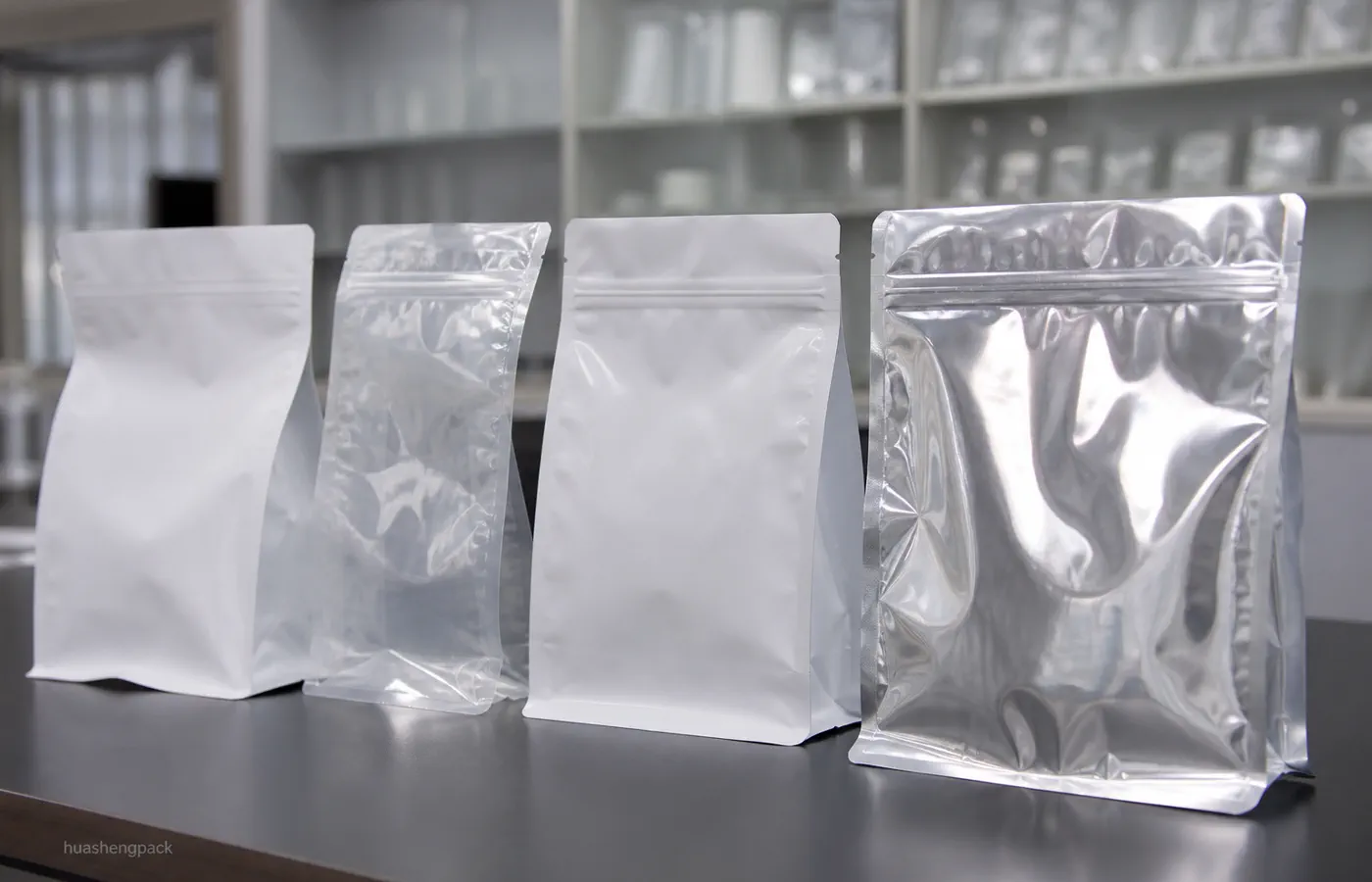
PE is commonly used as the inner product-contact and heat-sealing layer in laminated pouches and roll film. LDPE, LLDPE, metallocene-modified and blended sealant grades can behave differently. Selection should match the product, filling line, seal contamination risk, package strength and storage conditions.
What the PE Layer Does
The PE layer forms the package seal and can contribute flexibility, toughness, moisture resistance and product-contact performance. It does not by itself define print quality, oxygen barrier or total pouch stiffness; those functions depend on the complete laminate.
LDPE, LLDPE and Sealant Grade Differences
LDPE and LLDPE are both used in sealant designs, often as purpose-built grades or blends. Seal initiation, hot tack, seal strength, clarity, puncture behavior and contamination tolerance vary by resin and film design. Do not approve a PE layer only by polymer abbreviation or nominal thickness.
Sealing Window and Packing-Line Conditions
Temperature, pressure, dwell time, jaw profile, line speed and cooling affect seal formation. Powder, oil, sauce or product fragments in the seal area can weaken the closure. Trials should use the actual product and intended equipment where seal contamination or high speed is a concern.
Complete Structure and Validation
PET/PE, PA/PE and other PE-sealant laminates solve different print, strength and barrier needs. Confirm lamination bond, seal-through-contamination needs, drop or compression risk and finished-pack leakage rather than treating thicker PE as automatically better.
Related Products
Quality Control Points
- Resin and film grade
- Thickness
- Seal initiation and window
- Hot tack
- Seal strength
- Contamination risk
- Lamination bond
- Leak testing
What to Prepare Before Inquiry
- Product and fill state
- Complete laminate
- Pouch or roll film
- Filling temperature
- Machine and line speed
- Seal settings if known
- Storage
- Leak or drop requirements
Frequently Asked Questions
Why is PE used inside flexible pouches?
PE can provide a product-contact surface and reliable heat-sealing function while contributing flexibility and toughness.
Are LDPE and LLDPE the same sealing layer?
No. Their molecular structures and grade designs differ, and commercial sealant films may use blends. Compare project-specific performance.
Does a thicker PE layer always seal better?
No. Resin grade, film design, jaw conditions, contamination and cooling also affect the seal. Thickness alone is insufficient.
How should a PE sealant be validated?
Use the intended laminate, product and line settings, then check seal strength, leakage, hot tack and relevant storage or handling risks.
Need to Review a PE Sealant Layer?
Send the product, complete laminate and sealing-line conditions. Huasheng Packaging can review possible PE sealing-layer directions for sample validation.