How to Choose Zipper Options for Flexible Pouches
Compare press-to-close, slider and powder-resistant pouch zipper directions by product, pouch format, placement, filling process and sample testing.
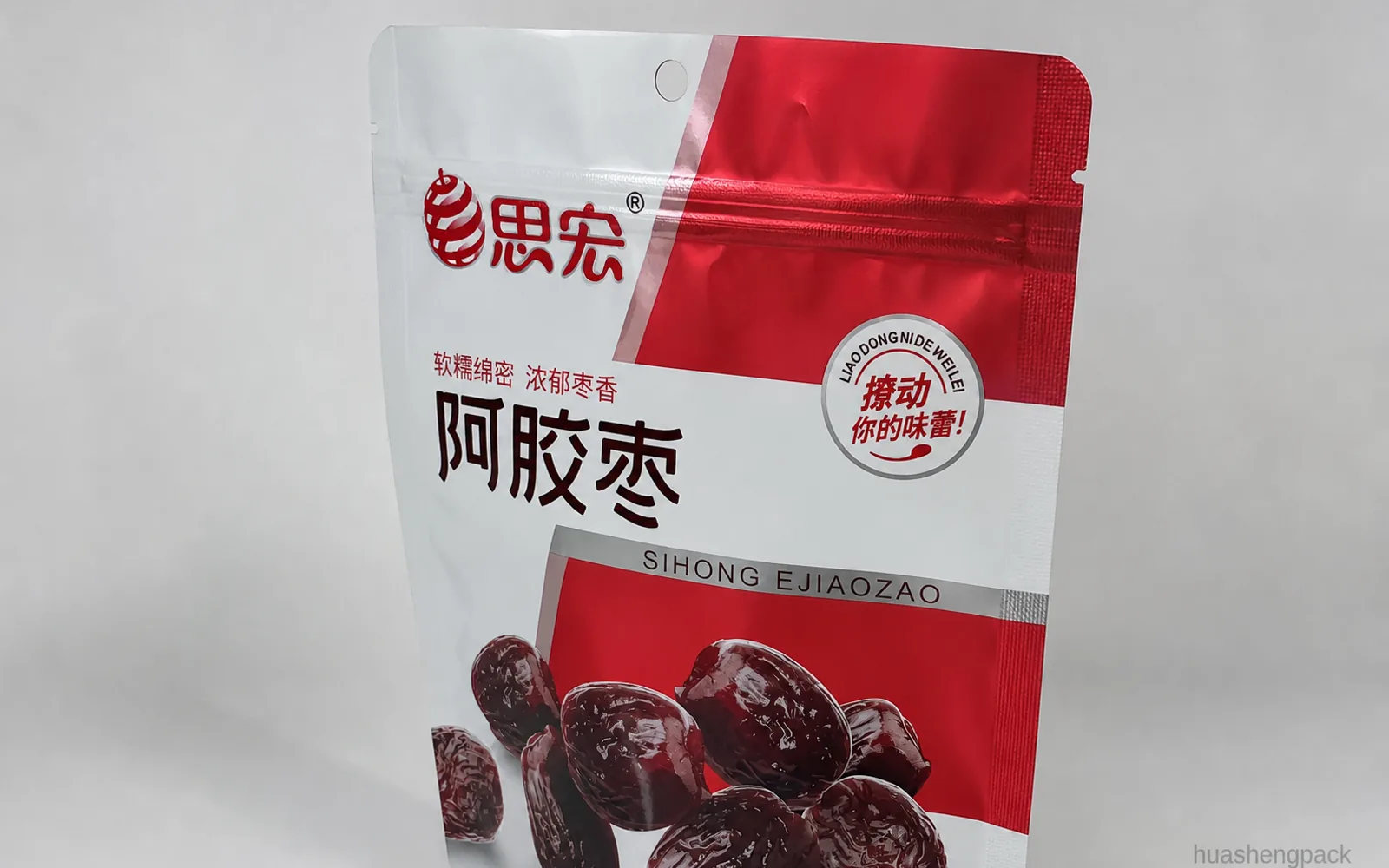
Compare Pouch Zipper Directions
Press-to-close is a common starting point for snacks, coffee, nuts and other dry products. Slider directions may improve opening feedback for larger or repeated-use packs but change cost, pouch construction and filling-equipment requirements. Powder-resistant or particle-tolerant profiles may be evaluated where fine product can enter the tracks. Hook-to-hook and other specialty closures are separate systems and should not be assumed interchangeable.
Match the Closure to Product and Use
- Dry snacks, nuts and dried fruit: press-to-close is a common benchmark.
- Coffee: coordinate zipper position with the valve, top seal and opening clearance.
- Protein powder and seasoning: assess dust in the tracks and seal area using the real filling process.
- Pet food and heavier packs: review repeated opening, track retention, pouch load and possible slider use.
- Child-resistant or regulated use: use a purpose-designed, validated system rather than a standard zipper claim.
Placement, Filling and Sample Tests
Keep sufficient space between the top seal, tear notch and zipper so the consumer can grip and open the pouch. Confirm filling opening, zipper flange compatibility, material sealant, pouch stiffness and whether premade-pouch equipment can detect, open, fill and top-seal the exact construction. Test filled samples for first opening, repeated reclosure, powder or particle contamination, leakage and track distortion.
Zipper Pouch Handover Checklist
Provide product form and particle size, fill weight, pouch format and dimensions, complete laminate, preferred closure or use pattern, top-seal and notch layout, filling method, equipment model, quantity per artwork and acceptance criteria. A zipper helps reclose an opened pouch but does not replace the original hermetic top seal or prove shelf life after opening.
Related Products
Review Points Before Confirming This Option
A packaging option should not be confirmed as an isolated decorative item. It can affect pouch structure, sealing area, material thickness, artwork layout, carton packing, transport handling and consumer use. For retail display packaging, review top seal width, hole or zipper position, filling weight and hanging method together. For automatic roll film, confirm eye mark position, roll direction, film width, sealing temperature window and cutting tolerance. For liquid or oily products, leakage control, heat seal strength and transport pressure should be reviewed first.
Quotation Checklist
- Product type and filling weight
- Pouch format or roll film format
- Target size and material structure
- Need for zipper, spout, hang hole, window, tear notch or surface finish
- Packing machine model or existing sample
- Artwork file, printing color count and China OEM handover requirement if applicable
Quality Confirmation Notes
Before mass production, review sample pouches or structure samples for opening feel, hole strength, seal integrity, surface finish, size tolerance and machine running performance. Different material structures and thicknesses can change how the same option performs, so final confirmation should be based on sample testing and production parameters.
The final packaging option should be confirmed according to product type, filling weight, material structure, packing machine, shelf display and storage conditions. For accurate quotation, please send bag type, size, material structure, thickness, quantity, printing colors, artwork, target market requirement and China OEM or domestic handover details if applicable.
Frequently Asked Questions
Which zipper is suitable for a standard snack pouch?
A press-to-close zipper is a common benchmark, but pouch width, product particles, opening frequency and filling method should be reviewed.
What is the difference between a slider and press-to-close zipper?
A slider uses a moving component to open and close the tracks. It may improve ease of use for some packs but changes construction, cost and equipment requirements.
Can a zipper be powder proof?
No closure should be assumed completely powder proof. Particle-tolerant profiles may improve reclosing, but the real powder and filling process should be tested.
Does a zipper keep an unopened pouch airtight?
The original top seal provides initial package closure. The zipper is mainly for reclosure after opening and should not replace seal-integrity validation.
Can a zipper run on automatic pouch-filling equipment?
Possibly, but the equipment must handle the exact pouch width, stiffness, zipper position, opening behavior and top-seal clearance.
What should be checked on zipper pouch samples?
Check grip area, first opening, repeated reclosure, track alignment, contamination, leakage, pouch load and compatibility with filling and sealing.
Need help choosing this packaging option?
Send us your product details and artwork, and our team will help review the structure and quotation.