121°C vs 135°C Retort Pouches: What Must Be Validated?
Huasheng Packaging Technical Content Review · Published: · Updated:
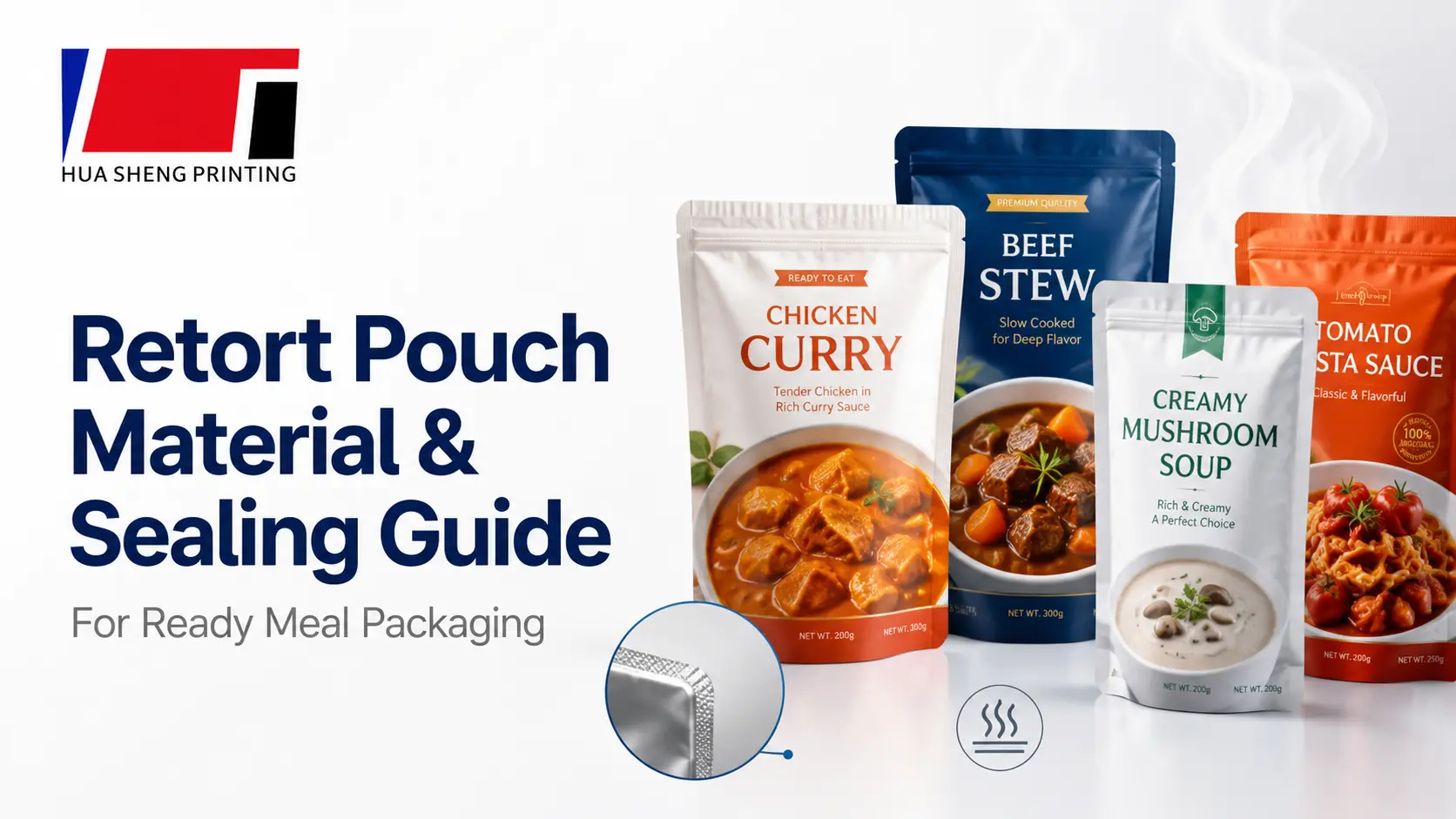 Temperature, time, pressure, product, equipment and seal conditions should be reviewed together before pouch approval.
Compare 121°C and 135°C retort pouch project inputs: process time, pressure, food, equipment, seals, laminate adhesion and post-retort acceptance checks.
What Is Retort Pouch Packaging
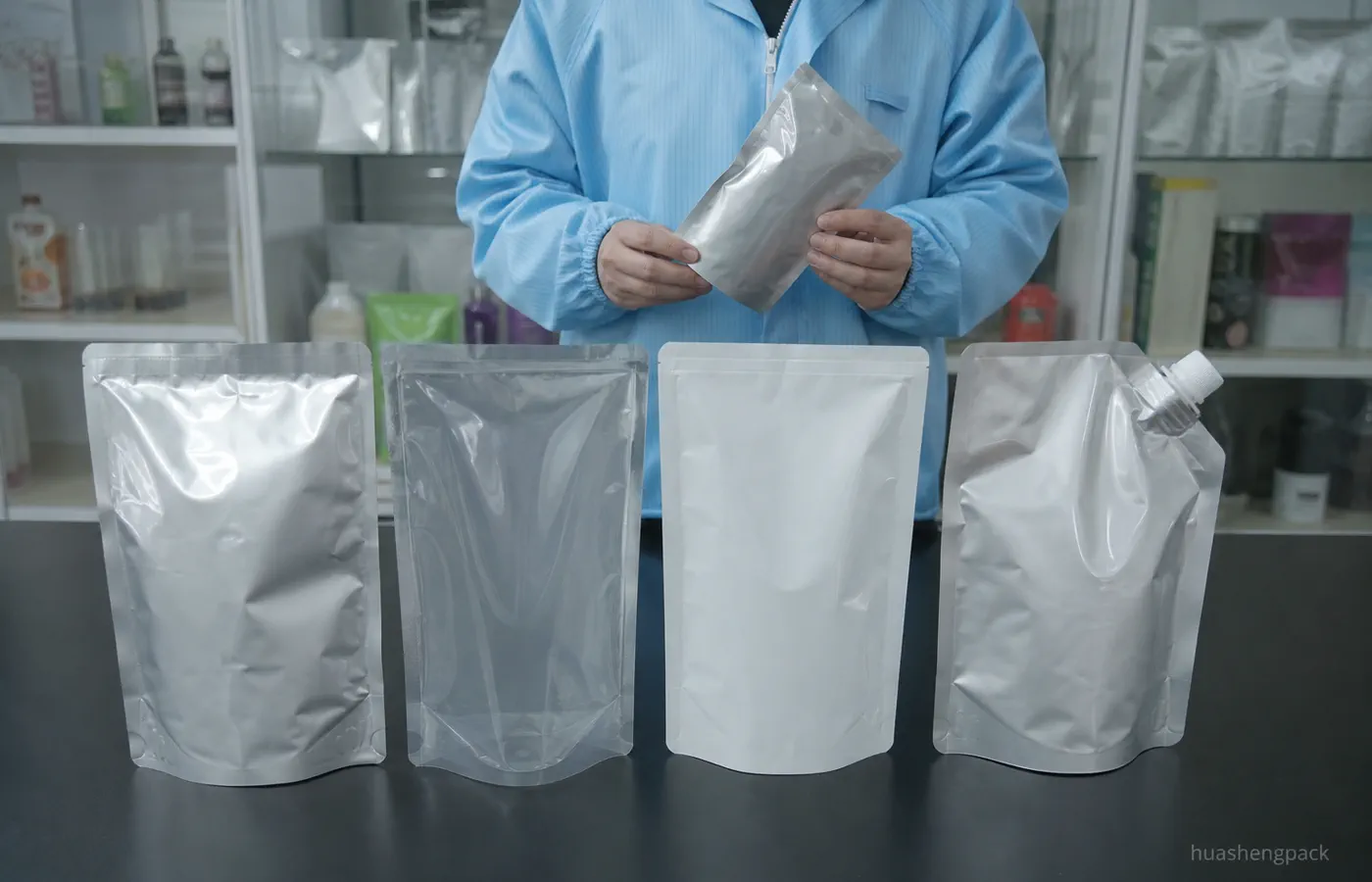
Retort pouch packaging is designed for food products that undergo high-temperature sterilization after filling and sealing. The sterilization process typically involves heating the sealed pouch to 121\u00b0C or 135\u00b0C under pressure for a specified duration, killing microorganisms and enabling ambient temperature storage with extended shelf life.
Common Retort Pouch Material Structures
The table below summarizes common retort pouch material structures. The final structure must be confirmed based on sterilization temperature, product type, filling weight and shelf life requirements.
Related Products
Related Packaging Guides
Frequently Asked Questions
What material structure is commonly used for retort pouches?
Common retort pouch structures may include PET/AL/RCPP, PA/AL/RCPP or PET/PA/RCPP, depending on food type, sterilization condition and shelf-life requirement. The structure must be confirmed before production.
Can all pouches withstand 121°C sterilization?
No. Retort performance depends on material structure, sealing layer, pouch thickness, food content and sterilization time. The structure must be confirmed before production. Standard pouches should not be used for retort processing.
What information is needed before retort pouch quotation?
Buyers should provide pouch size, material requirement, thickness, filling weight, food type, sterilization temperature and time, quantity and artwork file. This helps verify whether the proposed structure can meet retort conditions.
Why is sealing strength important for retort pouches?
Retort pouches must keep stable sealing during high-temperature sterilization and subsequent handling. Poor sealing can increase leakage or delamination risk during the retort process.
Can retort pouch samples be tested before bulk order?
Yes. Buyers are encouraged to test sample pouches under their actual filling and sterilization conditions before confirming bulk production. This helps verify that the structure performs correctly under real processing conditions.