Custom Printed Three Side Seal Pouches
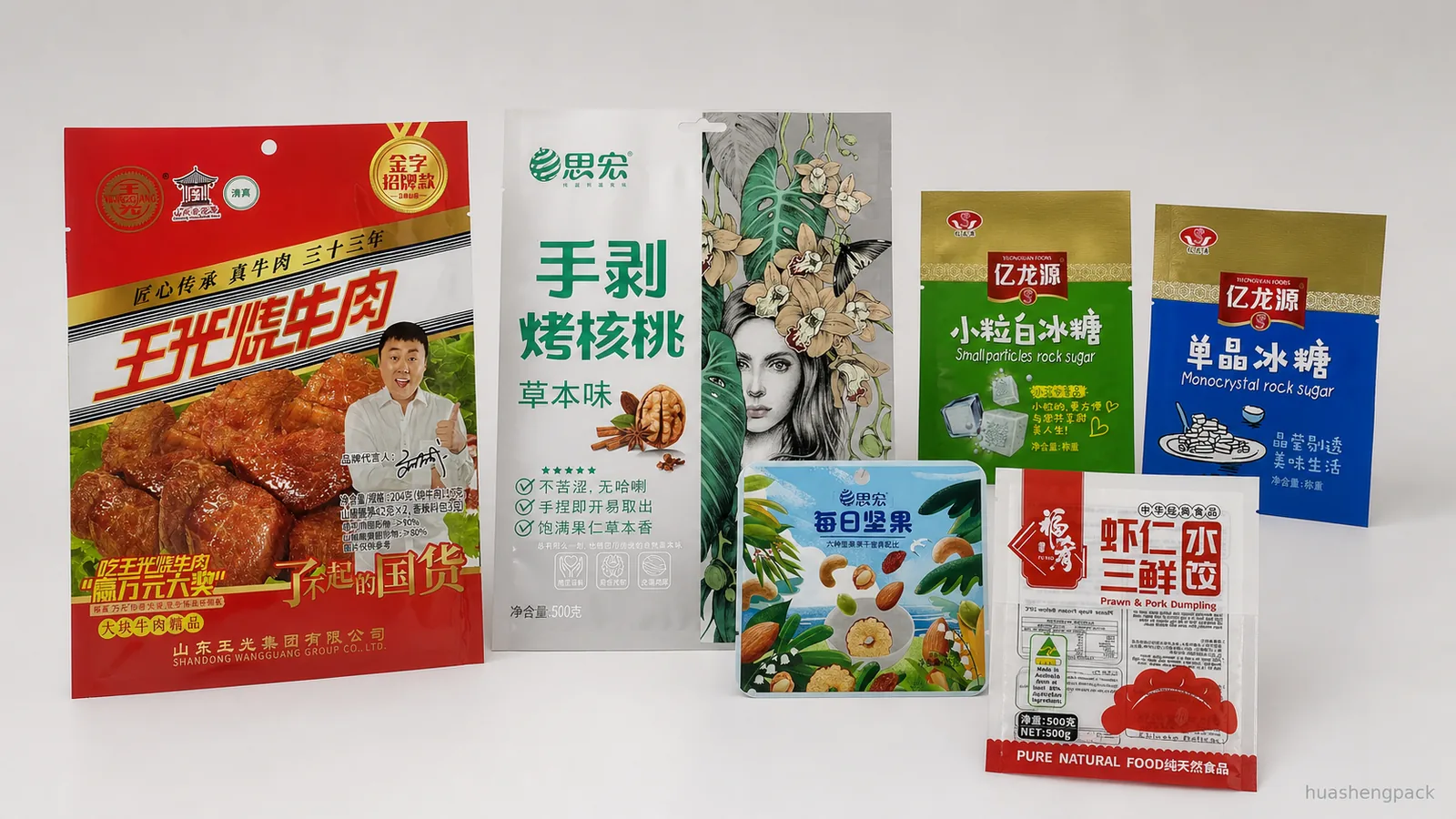
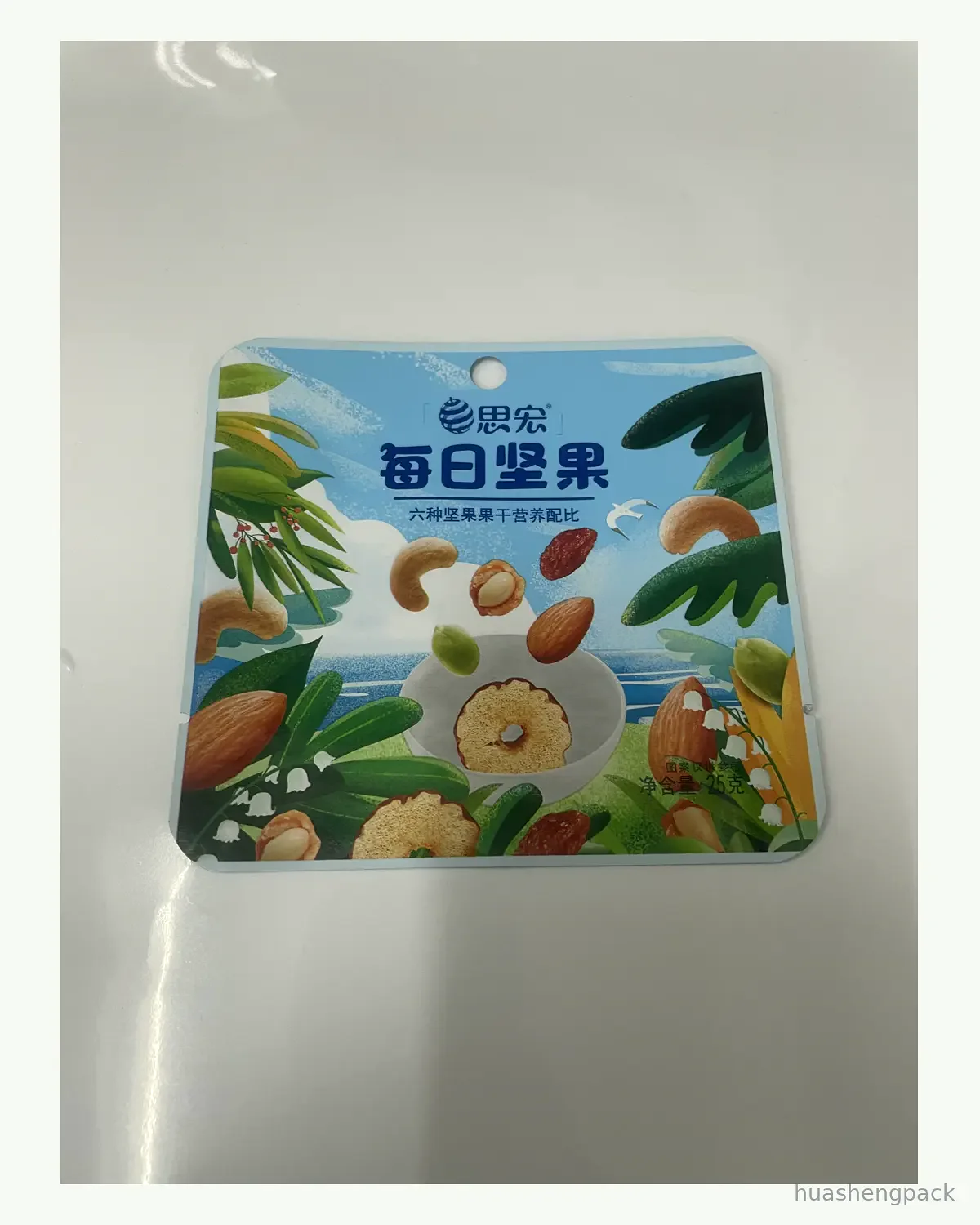
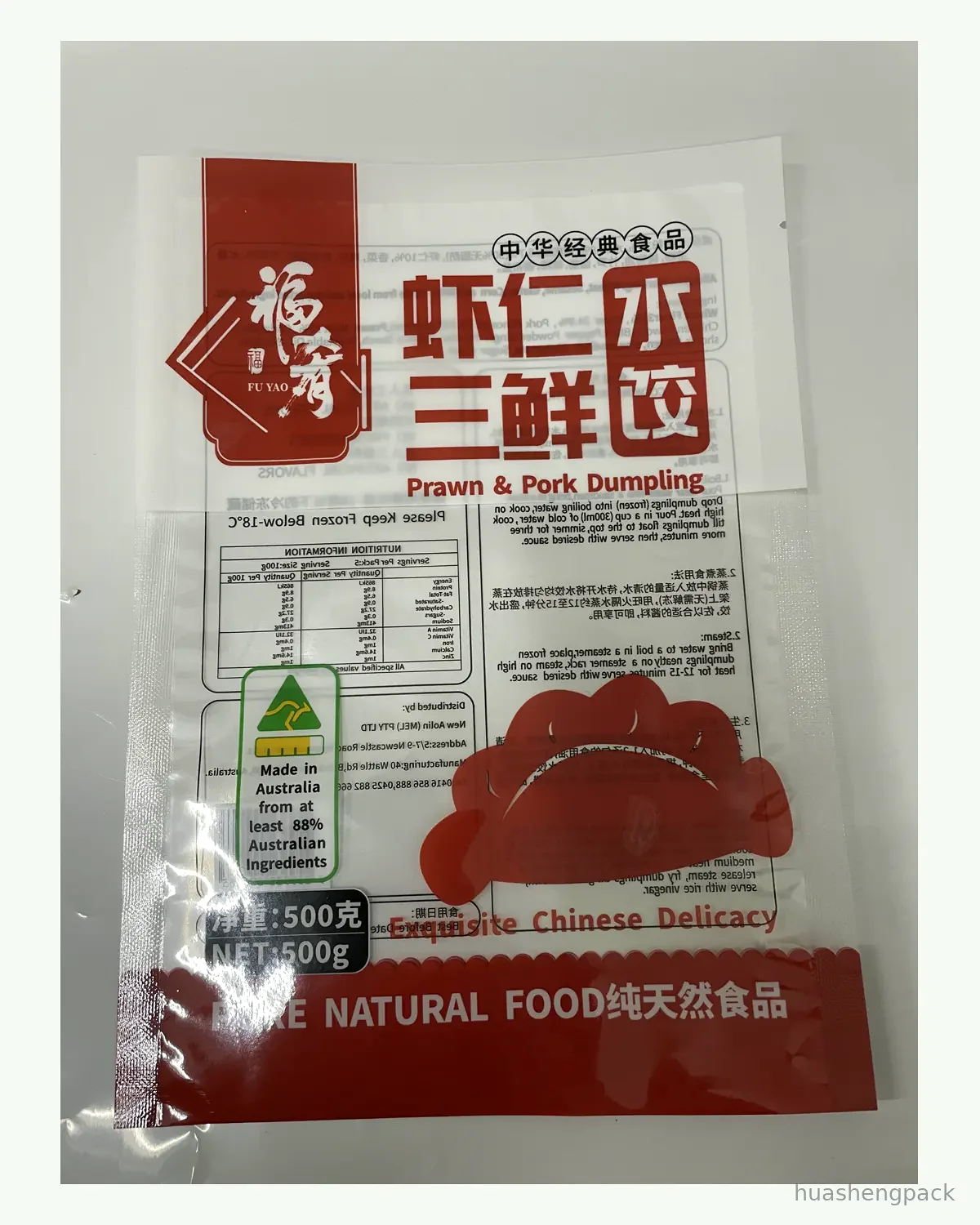
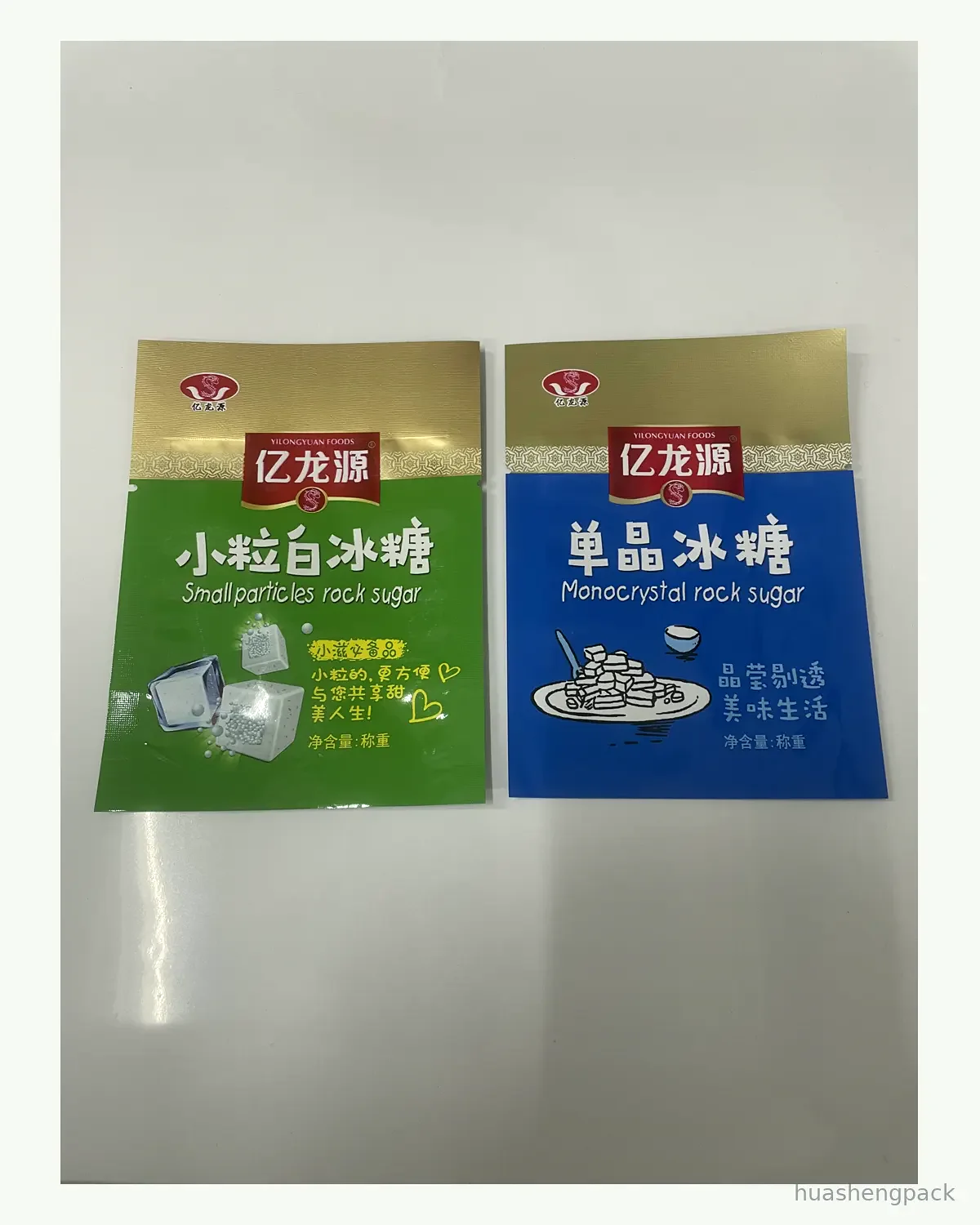
Product Overview
A premade three side seal pouch has three sealed edges and an opening for filling. The receiving operation fills the empty pouch and makes the final seal. Start with the packed product, fill weight, a current pouch photo or drawing and quantity per artwork. Confirm which edge remains open, usable dimensions, filling clearance and the complete laminate before approving the specification. This is empty packaging supply, not product manufacture or contract filling.
Common Applications
- samples, sachets and single-serve portions
- powders, spices and seasoning
- candy, chocolate and confectionery
Material Options
- PET/PE — Possible structure for evaluation. Suitability depends on product, barrier target, sealing process and shelf-life tests.
- BOPP/CPP — Possible structure for evaluation. Suitability depends on product, barrier target, sealing process and shelf-life tests.
- PET/AL/PE — Possible structure for evaluation. Suitability depends on product, barrier target, sealing process and shelf-life tests.
Key Features
- Flat premade-pouch format reviewed separately from film formed and filled on an automatic line
- Printed artwork and seal layout reviewed on the same dimensioned drawing
- Opening, tear notch, window or zipper requirements checked against the actual pouch and filling route
- Final size and material confirmed using the product, filling conditions and representative samples
Printing & Finishing Options
- Printed layout — Identify the filling opening, three presealed edges, final seal, graphics and code area on the approved drawing
- Opening and reclosure — Review a tear notch or zipper where required; a zipper does not replace the original final seal
- Appearance — Confirm print colours, window and finish against the actual laminate and artwork; appearance does not prove barrier or shelf life
Technical Parameters
- State whether dimensions are external or usable internal dimensions, with units and seal-width allowances
- Identify the open edge, filling direction and clearance needed for the product or filling nozzle
- Check product density, shape, headspace and seal clearance with a representative filled sample rather than fill weight alone
- Review the final sealing method and the risk of powder, oil or product entering the seal area
- Confirm the complete laminate and intended filling, storage and use conditions; a familiar pouch shape is not performance evidence
- If the receiving line forms packs from a reel, review roll-film requirements separately rather than ordering premade pouches by appearance
- For vacuum-packing projects, identify the exact machine model and its pouch requirements. A three-side-seal shape does not establish compatibility with a chamber or external-suction machine; review the laminate, surface, usable size and final seal with the equipment instructions and a representative filled-pack trial
- State whether the filled pack will be chilled, frozen or heated. Vacuum packing, cooking and retort processing are separate requirements; confirm the complete structure and actual use conditions rather than assuming one approved bag covers all three
MOQ & Lead Time
Custom premade pouches are reviewed from 30,000 pieces per size and artwork, subject to final factory approval. Production timing is confirmed against the current factory schedule after the specification and artwork are approved.
Quality Control
- Material structure, thickness and roll or pouch dimensions checked against the approved specification
- Print color, registration, artwork position and surface finish inspected during production
- Seal strength, leakage or peel performance tested according to the packaging format
- Functional parts and actual filling or machine compatibility confirmed by appropriate samples
Common Problems
- Comparing external dimensions with usable filling dimensions without allowing for seals or a closure
- Leaving the wrong edge open or insufficient clearance for filling and final sealing
- Treating a zipper as the original heat seal or placing artwork across the final sealing area
- Substituting premade pouches for roll film without confirming the receiving equipment and supply format
- Ordering a vacuum-packing bag from its shape or material abbreviation without checking the exact machine and filled-product conditions
What to Prepare Before Inquiry
- Product, fill weight and filling method
- Current pouch photo or dimensioned drawing, with the filling opening identified if known
- Required external or usable dimensions and any closure or opening feature
- Known material, storage or protection requirements; list unknown fields for review
- Artwork status, printing variants and estimated quantity per artwork
- For a vacuum project: machine model, current pouch reference, intended storage or heating conditions, and any evacuation or final-seal problem
Pouch format and filled-sample decision matrix
Compare stand-up, flat-bottom, three-side-seal, side-gusset and roll-film formats, then record filled-sample checks.
Use these editable CSV files to align artwork, roll-film machine data and material requirements before sampling. They are preparation tools, not approval records or performance guarantees.
Editable English template
Download CSV · Open finished PDF · Downloadable Packaging Project Checklists
Packaging project checks
Conditions, evidence, limitations and the next buyer action
Confirm the pouch geometry and the actual filling conditions before treating the format as suitable for a project.
01
- Condition
- The project requires a two-panel pouch sealed on three perimeter sides without a gusset.
- Evidence
- Controlled format drawing and a reviewed physical sample.
- Limitation
- Front-view imagery cannot prove the absence of hidden folds or the final seal design.
- Next action
- Confirm geometry against the format QA record before quotation.
02
- Condition
- Fill method, opening feature, seal contamination and pack-out are defined.
- Evidence
- Representative filled sample and agreed seal inspection records.
- Limitation
- The pouch format alone does not prove compatibility, barrier or shelf life.
- Next action
- Assign sample and production-stage checks in the project register.
These units organize project decisions; they do not prescribe a universal material, performance, compliance, shelf life, price, lead time or MOQ.
Plan product evidence before approval
The laboratory page records available instrument categories and one bounded sample report. It does not mean this product, structure or batch has passed testing.
Buyer Notes
- Provide product type, bag size or roll width — a photo or sample helps quick assessment
- If material structure or thickness is known, include specification
- Number of printing colors and artwork file affect cylinder cost and prepress time
- Packing machine type (VFFS/HFFS/manual) determines roll film vs premade pouch choice
- Target market compliance, China OEM filling requirements or nominated domestic warehouse handover details help confirm the final specification
Related Products
Related Applications
Related Packaging Guides
- Sachets for Liquid or Powder Packaging: Format and Machine Guide
- Roll Film vs Premade Pouches: A Buyer Guide for Packing Line and Format Selection
- 12 Types of Flexible Packaging: A Complete Guide to Pouches and Roll Film
- How to Choose Food Packaging Materials for Custom Flexible Packaging
Frequently Asked Questions
What is a three side seal pouch?
It is a flat premade pouch with three sealed edges and an opening for filling. The receiving operation fills the pouch and makes the final seal; confirm the intended open edge on the drawing.
Are these empty pouches or a product-filling service?
This page concerns empty custom printed packaging. Product manufacture, blending and contract filling are not included in the packaging request.
Can fill weight alone determine the pouch size?
No. Product density and shape, usable dimensions, headspace, seals and any closure affect capacity. Review a representative filled sample before fixing the dimensions.
Does a zipper replace the final heat seal?
No. A zipper supports reclosure after opening. The original final seal, filling clearance and seal-area cleanliness need separate review.
Can I order this pouch for a form-fill-seal roll-film line?
Do not assume the supply formats are interchangeable. A premade-pouch line fills existing bags; a form-fill-seal line forms packs from a reel. Confirm the equipment and intended format first.
Can I use an ordinary three-side-seal pouch on a vacuum sealer?
Not automatically. Three-side-seal describes the pouch format, not a tested vacuum specification or machine compatibility. Share the exact machine model and its pouch instructions, your current bag and the product. Review chamber or external-suction requirements, usable dimensions, the complete laminate and final seal before testing representative filled packs.
Does suitability for vacuum packing also approve cooking or retort use?
No. Vacuum packing, chilled or frozen storage, cooking and retort processing have different project conditions. Identify the actual product and temperature-time conditions, and agree appropriate finished-pack checks. A bag shape, vacuum result or another supplier’s product description does not approve your proposed use.
What is enough for an initial three side seal pouch review?
Send the product, fill weight, current pouch photo or drawing and quantity per artwork. Add the open edge, dimensions, closure, material and filling method if known; unknown inputs can be clarified progressively.
Recommended Material Structures
Material structure should be reviewed according to product type, shelf life, filling condition, barrier requirement and packing process.
- PET/PE Food Packaging — Basic laminated structure for three side seal sachets, powder and seasoning packaging.
- PET/VMPET/PE Metallized Packaging — Metallized option for sachets requiring better moisture and light protection.
- Compare Material Structures — Compare material options for three side seal pouch projects.
Related Packaging Guides
Learn material structures, packaging options and application guides related to this product.
- Tear Notch and Easy Open Options — Easy-open features for three side seal sachet and small pouch formats.
- Sachet and Stick Pack Packaging Solutions — Small format sachet and stick pack packaging roll film options.
- PET Film for Flexible Packaging — PET film as printable outer layer for three side seal pouches.
- PE Film as Sealing Layer — PE sealing layer properties for three side seal pouch heat sealing.