Custom Printed Back Seal Pouches and Center Seal Bags
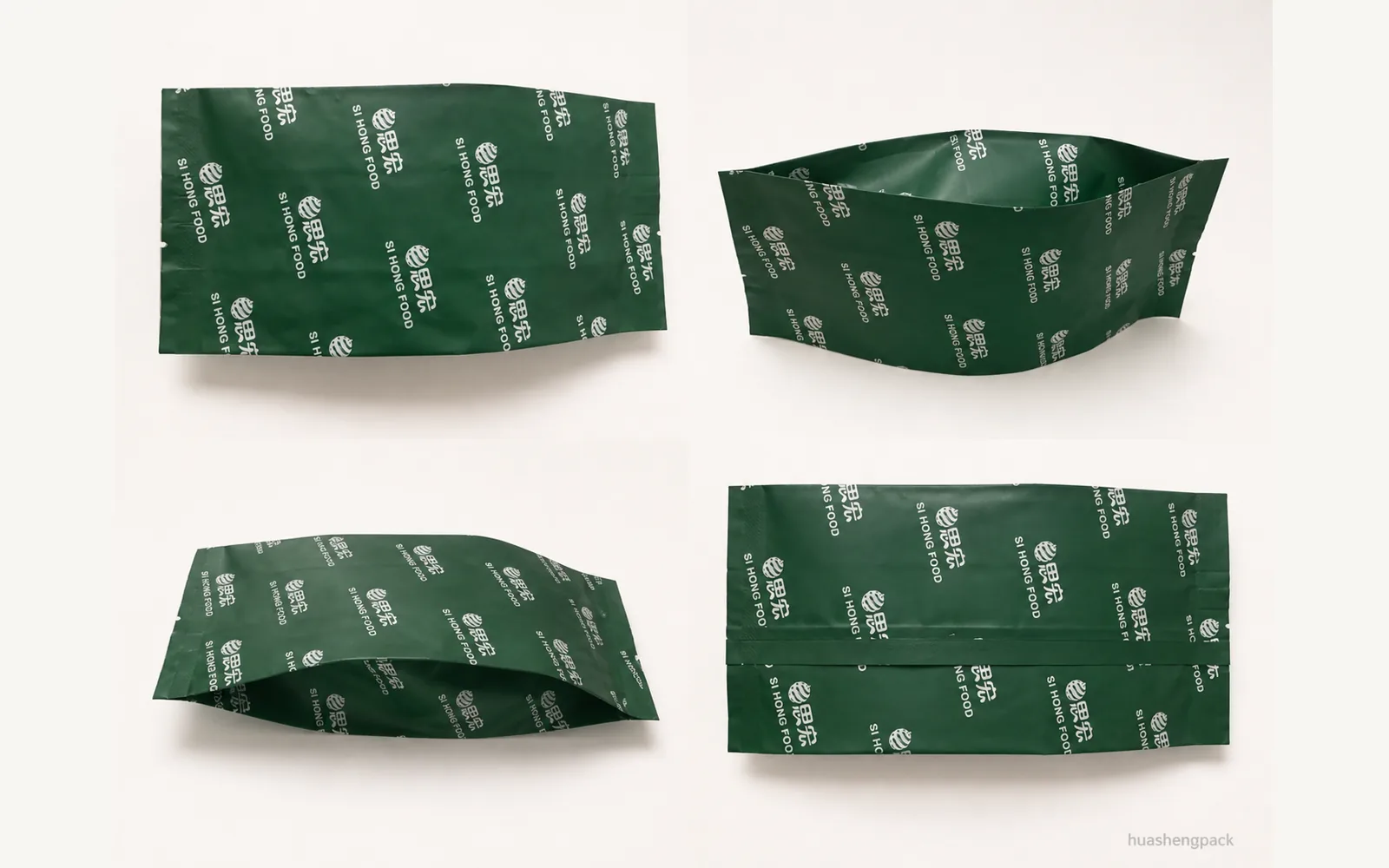
Choose custom back seal pouches by fin or lap seam, film structure, seal width, pack dimensions, artwork safe area and filling equipment.
Back Seal Pouches - construction detail Back Seal Pouches - material structure
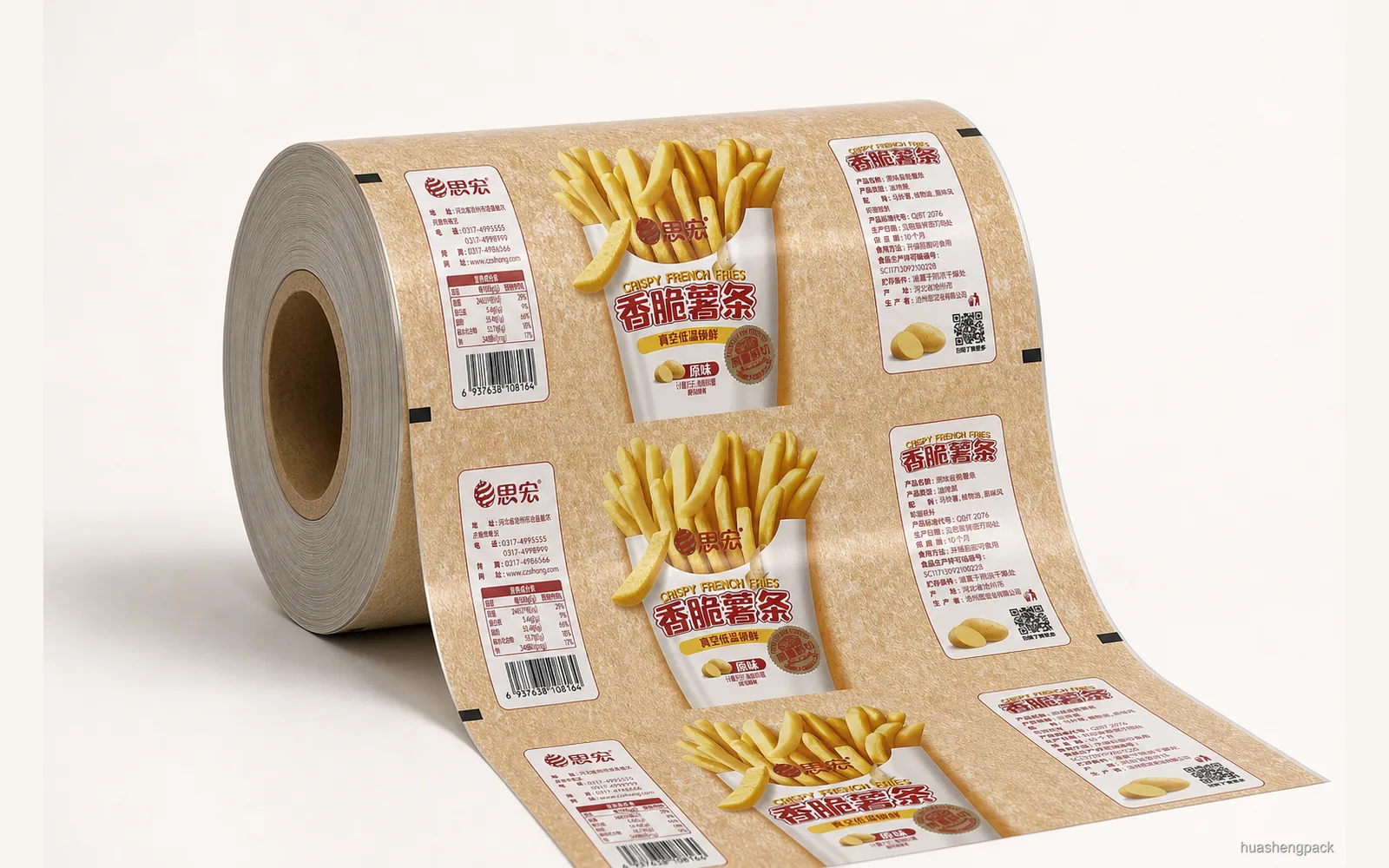 Back Seal Pouches - packaging application
What This Product Is Used For
Format Decision — A back seal pouch is a flexible pack formed with one longitudinal seam on the rear panel and cross seals at the top and bottom. The rear seam may be a fin seal or lap seal depending on the laminate, artwork, forming equipment and sealant-face arrangement. It is not a three side seal pouch, quad seal pouch or flat bottom pouch, and it does not inherently provide a standing base.
Premade Bag or Roll Film Machine Fit
Supply Format and Machine Fit — Back seal packaging may be supplied as premade bags for suitable filling and final sealing, or as printed roll film that the packing machine forms into pillow packs. Confirm whether the project needs premade bags or rollstock, then provide the machine make and model, forming shoulder, web width, repeat length, fin or lap seal, eye mark, unwind direction, core and roll limits.
Material Structure Options
BOPP/CPP, PET/PE and PET/VMPET/PE are possible structure families for selected dry snacks, candy, powder or food products. These are examples rather than universal recommendations. The product, shelf-life target, storage condition, barrier need, sealing window, line speed and finished-pack tests determine the final laminate. VMPET is metallized PET and is not aluminum foil.
Rear Seam, Cross Seals and Artwork Layout
Artwork and Seal Layout — The rear longitudinal seam consumes part of the back-panel artwork area. Barcodes, mandatory copy, registration marks and key graphics should remain clear of the seam, folds, top and bottom cross seals and cut positions. For roll film, confirm repeat direction and which web face contacts the product before cylinder release.
Quality Control Points
Quality and Trial Checks — Verify dimensions, rear-seam position, top and bottom seal geometry, print registration, cut position, laminate bond and seal integrity against the approved drawing. For machine-formed packs, use a representative trial reel to check tracking, forming, registration, fin or lap sealing, cross seals, hot tack and leakage under actual line conditions.
MOQ and Cost Notes
Cost and Variant Notes — Quotation depends on finished size or web width, repeat, material, thickness, printing colors, rear-seam type, roll or premade format, quantity and artwork variants. Designs sharing size and material can support material planning, but cylinders, color setup and production planning may still be evaluated by artwork.
What to Prepare Before Requesting a Quote
Inquiry Checklist — Product and fill weight; premade bag or roll film; finished dimensions; machine make and model; fin or lap seal; material and thickness if known; shelf life and storage; web width, repeat, eye mark, unwind, core and roll limits for rollstock; printing colors; artwork; quantity per design; and China co-packer or nominated domestic handover requirements when applicable.
Related Products
Food Packaging Roll Film, Snack Packaging Roll Film, Three Side Seal Pouches, Stand Up Zipper Pouches and Custom Shaped Pouches.
Buyer Decision Matrix
- Product type, dimensions and fill weight
- Premade bag or roll-film supply format
- Finished pack width, length and seal allowances
- Fin seal or lap seal requirement if known
- Material structure and thickness if known
- Shelf-life, storage and barrier requirements
Back Seal Pouch FAQ
What is a back seal pouch?
It is a flexible pack with one longitudinal seam on the rear and transverse seals at the top and bottom. Some markets call it a center seal or pillow pouch.
What is the difference between fin seal and lap seal?
A fin seal joins the inner sealing surfaces together and leaves a projecting fin. A lap seal overlaps one web edge over the other, so sealability depends on the contacting surfaces. Confirm the laminate and machine before choosing.
Is a back seal pouch the same as a three-side seal pouch?
No. A three-side seal pouch is typically converted from two webs or a folded web with three perimeter seals. A back seal pouch has a longitudinal rear seam plus top and bottom cross seals.
Can back seal bags stand upright?
A standard pillow-style back seal bag does not inherently have a standing base. Some gusseted constructions may develop a filled profile, but stability must be confirmed from the exact construction and product.
Can it be supplied as roll film?
Yes, when the buyer uses compatible VFFS or HFFS equipment. Machine, web, repeat, eye mark, unwind and sealing data must be confirmed.
What is needed for quotation?
Provide the product, fill weight, pack dimensions, premade or roll-film format, seam type, structure, machine data, artwork, variants and quantity per design.
Suitable Applications
Food, beverage, snacks, coffee, pet food, daily chemical, powder, liquid, sauce, frozen products, ready meals, industrial products and more. Suitability depends on material structure, sealing method and packaging machine type.
Material Options
Common structures: PET/PE, PET/VMPET/PE, PET/AL/PE, BOPP/CPP, NY/PE, kraft paper laminates. Selection criteria: barrier requirements (oxygen, moisture, light), sealing method (heat seal, cold seal), shelf life, packaging machine compatibility and cost.
Key Features
Rotogravure printing, eye marks, sealant layers, zippers, tear notches, hang holes, windows, degassing valves, spouts and caps may be evaluated. Capability and suitability are confirmed against the product, format, equipment, target market and approved project specification.
Quality Control
Quality-control items, methods, specimens, conditions, frequency and acceptance criteria must be agreed in the project specification. A public management-system document, factory image or general workflow does not replace a material-, package- or batch-specific test record and release decision.
Buyer Notes
- Provide product type, bag size or roll width — a photo or sample helps quick assessment
- If material structure or thickness is known, include specification
- Number of printing colors and artwork file affect cylinder cost and prepress time
- Packing machine type (VFFS/HFFS/manual) determines roll film vs premade pouch choice
- Target market compliance, China OEM filling requirements or nominated domestic warehouse handover details help confirm the final specification
Related Products
Packaging Structure
- Front panel — primary printable face without a longitudinal seal
- Rear panel — contains one longitudinal fin seal or lap seal selected for the laminate and forming method
- Top and bottom cross seals — close the pack across the web after filling or during premade-bag conversion
- Sealant face — must be oriented correctly for the selected rear-seam construction and product-contact side
- Registration and cut control — eye mark, repeat length and cut position coordinate artwork with the cross seals
- Optional features — tear notch or hang hole may be evaluated when they remain clear of seals and cut tolerances
Technical Parameters
- Product Type: Back seal or pillow pouch with one rear longitudinal seam and top/bottom cross seals
- Supply Format: Premade bag or printed roll film for compatible form-fill-seal equipment
- Rear Seam: Fin seal or lap seal, confirmed from laminate faces, artwork and machine forming method
- Material Direction: BOPP/CPP, PET/PE and PET/VMPET/PE are possible project-specific families
- Printing Method: Gravure printing for custom printed production orders
- Machine Data: Web width, repeat, eye mark, unwind, core, roll OD, speed and sealing conditions when supplied as rollstock
- Artwork Control: Barcode, mandatory copy and key graphics kept clear of rear seam, folds, cross seals and cut position
- Validation: Representative filling or trial-reel checks before production release when machine compatibility is required
Common Problems We Help Buyers Avoid
- Fin-seal and lap-seal requirements are confused, causing the wrong web faces or rear-seam allowance
- Artwork, barcode or mandatory copy crosses the rear longitudinal seam or top and bottom cross seals
- Web width, repeat, eye mark or unwind direction does not match the forming equipment
- A back seal pouch is expected to stand like a flat-bottom or stand-up pouch without a qualified base construction
- Laboratory seal data is treated as a machine setting without validating dwell, pressure, speed and contamination
Related Applications
Related Packaging Guides
Frequently Asked Questions
What is the MOQ for custom printed flexible packaging?
Custom premade pouches are reviewed from 30,000 pieces per size and artwork, subject to final factory approval. Production timing is confirmed against the current factory schedule after the specification and artwork are approved.
Can Huasheng Packaging provide samples?
Yes. Existing production samples can be provided for material and workmanship reference. Custom printed samples, structure samples or pre-production samples should be confirmed by project according to artwork, size, material and printing colors. Sample method, timing and cost are confirmed before order placement.
What is the lead time for custom packaging orders?
Custom premade pouches are reviewed from 30,000 pieces per size and artwork, subject to final factory approval. Production timing is confirmed against the current factory schedule after the specification and artwork are approved.
What material structure should I choose?
Material structure depends on product type (dry, oily, frozen, liquid, high-temperature), shelf life requirements and packaging machine type. Common options include PET/PE, PET/VMPET/PE, BOPP/CPP, NY/PE and kraft paper laminates. We can recommend suitable structures based on your product details.
What is the difference between roll film and premade pouch?
Roll film is printed laminated film supplied on rolls for automatic packing machines (VFFS/HFFS), where filling, forming and sealing happen on one machine. Premade pouches are pre-formed bags delivered ready for filling on separate equipment. The choice depends on your production line and product format.