Ground Spices, Curry & Seasoning Blends: Preventing Flavor Scalping, Delamination & Clumping
Huasheng Packaging Technical Content Review
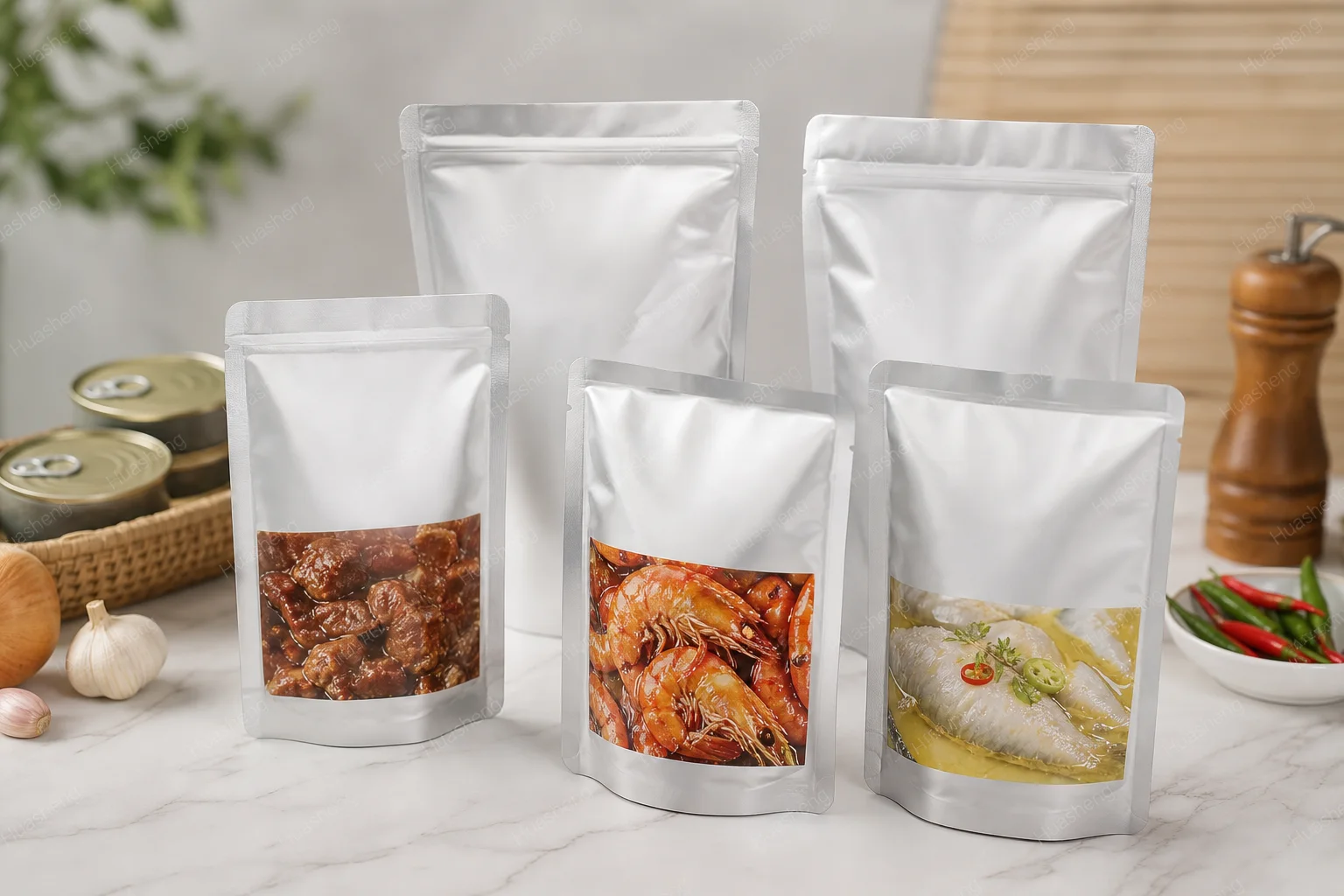
Stop essential-oil flavor scalping, spice caking, and seal delamination in ground pepper, chili, curry, and bouillon pouches with PET/AL/PE and anti-static PE.
Direct answer
Ground black pepper, star anise, chili powder, turmeric, curry mixes, and salty bouillon seasonings pack aggressive volatile essential oils (limonene, eugenol, capsaicin) alongside hygroscopic salts. Packing spices in basic plastic bags triggers rapid flavor scalping—where the inner PE literally absorbs aroma oils—leading to flat taste, film delamination, and hard brick-like powder clumping.
Contents
Evidence-reviewed technical guide
Evidence-reviewed technical guide
2026-11-27 · Huasheng Packaging Technical Editorial Review
Evidence scope
Applies to B2B custom flexible packaging specification review for spices, curry & seasonings projects sourced from direct gravure converting plants.
Scope and limitations
General engineering bands and procurement guidelines do not replace filled-pack shelf-life testing, machine compatibility trials, or destination-market regulatory review.
Key takeaways
- How Volatile Spice Oils Scalp Flavor and Delaminate Weak Pouches
- Aroma-Locking Structures for Dry Spices, Sachets & Paste Seasonings
- Specs to Prepare Before Quoting Custom Spice Pouches or Sachet Film
How Volatile Spice Oils Scalp Flavor and Delaminate Weak Pouches
Unlike inert grains, ground spices release essential oils that dissolve directly into standard LDPE layers and migrate into laminating adhesives—causing the inner film to detach in bubbles within 4–8 weeks at warm retail temperatures (30°C–40°C). Simultaneously, moisture ingress through thin seals turns onion powder, garlic powder, and chicken-stock seasonings into rock-hard clumps.
Four Expensive Mistakes When Sourcing Spice & Seasoning Pouches
First, packing aromatic curry, cloves, or peppercorn powders in standard PET/PE without an aluminum foil or VMPET aroma barrier—entire warehouse cartons smell of curry while the product inside loses potency. Second, omitting anti-static sealant when filling fine spice dust, resulting in powder trapped in the heat-seal jaws and leaking side seams. Third, using standard adhesives instead of spice/chemical-resistant laminating adhesives for chili oil or high-terpene blends. Fourth, skipping zipper dust-shielding or front pocket zippers on refillable kitchen spice packs.
Aroma-Locking Structures for Dry Spices, Sachets & Paste Seasonings
For dry ground spices, pepper, garlic powder, and bouillon (20 g–500 g stand-up pouches or flat sachets): PET (12 μm) / Aluminum Foil AL (7 μm) / Anti-Static LLDPE (60–80 μm) delivers maximum volatile-aroma retention, UV protection for colorful turmeric/paprika, and moisture blocking against caking. For budget single-serve seasoning sachets (5 g–50 g roll film) or moderate-oil dry mixes: PET (12 μm) / VMPET (12 μm) / Anti-Static PE (50–70 μm). For wet curry pastes, chili-oil marinades, and high-terpene spice pastes: PET (12 μm) / AL (7 μm) / PA (15 μm) / High-Oil-Resistant CPP or PE with chemical-resistant adhesive prevents capsaicin and essential-oil delamination over 12–18 months.
Powder-Through-Seal Testing, Aroma-Soak & Anti-Static Verification
Inspect trial runs by: (1) testing seal strength after intentionally dusting the seal zone with fine spice powder to confirm hot-tack sealing through light dust, (2) running a 45°C 14-day spice-oil incubation check for zero ply separation or turmeric staining bleed-through, (3) checking GBPI WVTR/OTR barrier values, and (4) verifying zipper re-closing cleanliness. In our 6,880 m² Chaozhou facility operating under ISO 22000:2018 (cert. 007FSMS2300214), pre-production and batch release records include calibrated gauge checks, GBPI heat-seal tensile strength logs, barrier verification where specified, barcode scan checks, and export carton inspections before FOB/CIF or China warehouse handover.
Specs to Prepare Before Quoting Custom Spice Pouches or Sachet Film
Specify spice type (dry powder, whole seed, oily paste, hygroscopic bouillon), essential-oil intensity, pack weight, format (pre-made stand-up zipper pouch, 3-side-seal sachet, or VFFS roll film), anti-static sealant requirement, and quantity per SKU.
Related Products
Related Applications
Claim-to-source evidence matrix
| Reviewed claim | Support | Sources | Boundary |
|---|---|---|---|
| Final flexible packaging specifications require confirming product chemistry, barrier needs, dimensions, and filling conditions before bulk production. | contextual | [1], [3] | Engineering review boundary prior to cylinder engraving or commercial conversion. |
| Seal integrity and laminate suitability should be verified on representative samples using actual product and sealing equipment. | direct | [2] | Quantitative seal testing and line trials supersede nominal film descriptions. |
| Huasheng Packaging operates integrated 9-color gravure printing, lamination, and pouch converting in Chaozhou under ISO 22000:2018 (007FSMS2300214). | direct | [3], [1] | Factory capability and active management-system scope; product-specific export compliance confirmed per order. |
Authoritative References
- ISO 22000:2018 Food safety management systems · International Organization for Standardization (ISO) · standard
Food-contact packaging production management relies on documented food-safety management controls and traceability. - ASTM F88/F88M-23 Standard Test Method for Seal Strength of Flexible Barrier Materials · ASTM International · standard
Flexible pouch and roll-film heat-seal performance should be verified quantitatively rather than assumed from film appearance. - Huasheng Packaging Chaozhou In-House Converting & Quality Control Overview · Huasheng Packaging · internal-evidence
Describes Chaozhou in-house 9-color gravure printing, lamination, slitting, pouch converting, and ISO 22000:2018 scope.
Frequently Asked Questions
Why do spice pouches sometimes delaminate even when stored at room temperature?
Aggressive volatile essential oils (such as clove, cinnamon, citrus, and chili oils) migrate through thin PE and soften standard laminating adhesives. Upgrading to spice-resistant adhesive and PET/AL/PE solves delamination.
How do you keep fine garlic or curry powder from ruining heat seals?
Use an anti-static metallocene PE inner sealant that reduces static powder clinging and offers wide hot-tack sealing through minor dust contamination.
Does VMPET block spice aroma as well as real aluminum foil?
VMPET/PE works well for short-to-medium dry mixes, while 7 μm aluminum foil (PET/AL/PE) provides superior volatile-oil aroma lock and UV color protection for paprika, turmeric, and export curry blends.
Can Huasheng supply single-serve seasoning roll film for high-speed multi-lane sachet machines?
Yes. We supply multi-lane PET/VMPET/PE and PET/AL/PE rollstock slit to exact reel widths, eye-mark repeats, and 76 mm core tolerances.
What zipper type works best on 100 g–500 g reusable kitchen spice pouches?
Press-to-close powder-friendly zippers or front pocket zippers paired with generous headspace minimize spice powder accumulation in the track.
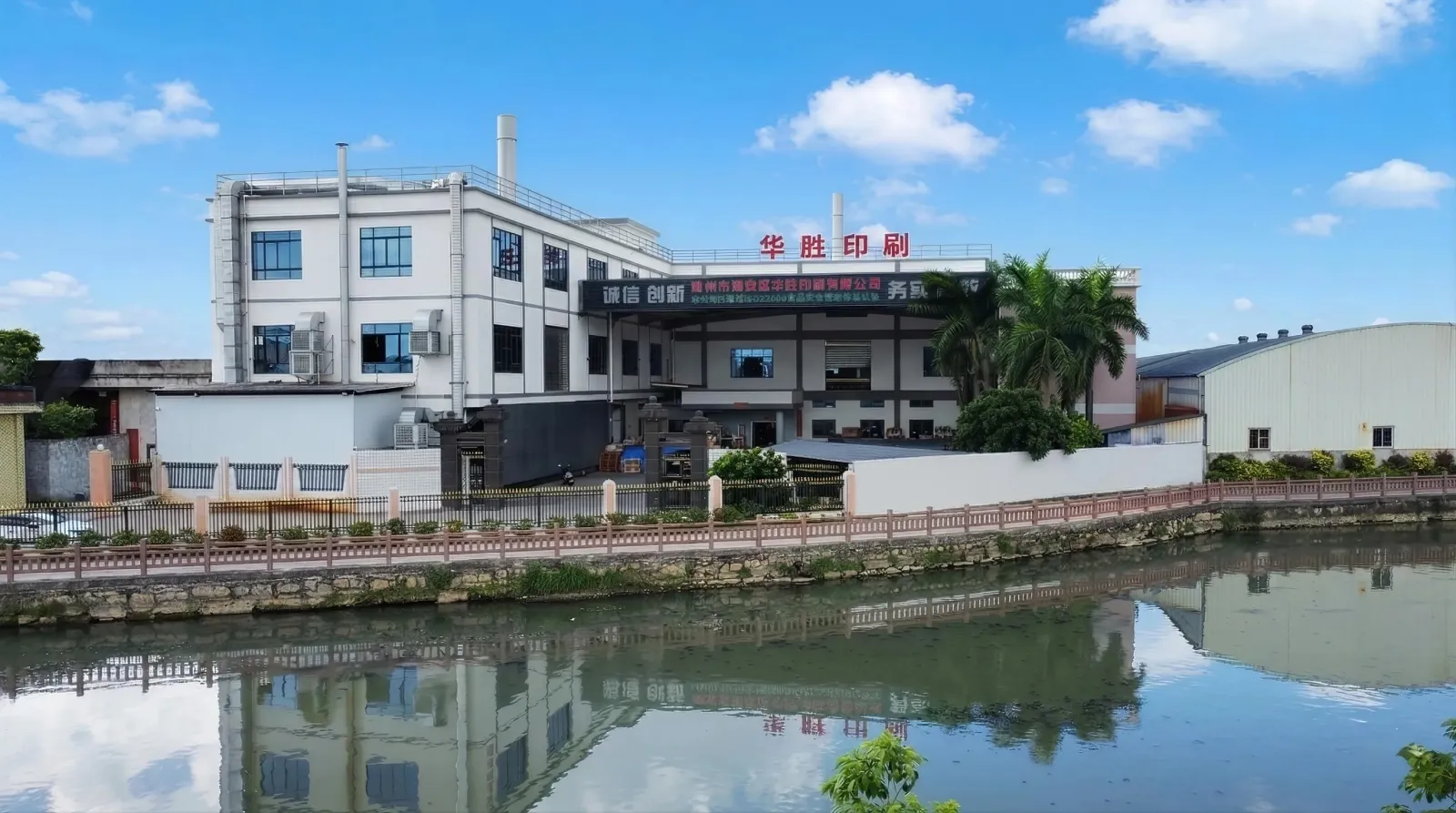
About Huasheng
In-house 9-color gravure printing, solventless lamination, slitting, and pouch converting across stand up pouches, spout pouches, retort bags, coffee bags, and automatic rollstock film.
A legacy of quality in flexible packaging since 1997.
1997 · 6,880 m²
Chaozhou · Guangdong · China
Longshewei, Neipan Management District, Dongfeng Town, Chao'an District, Chaozhou City, Guangdong Province, China