Easy Peel Packaging Film for Cups, Trays and Containers
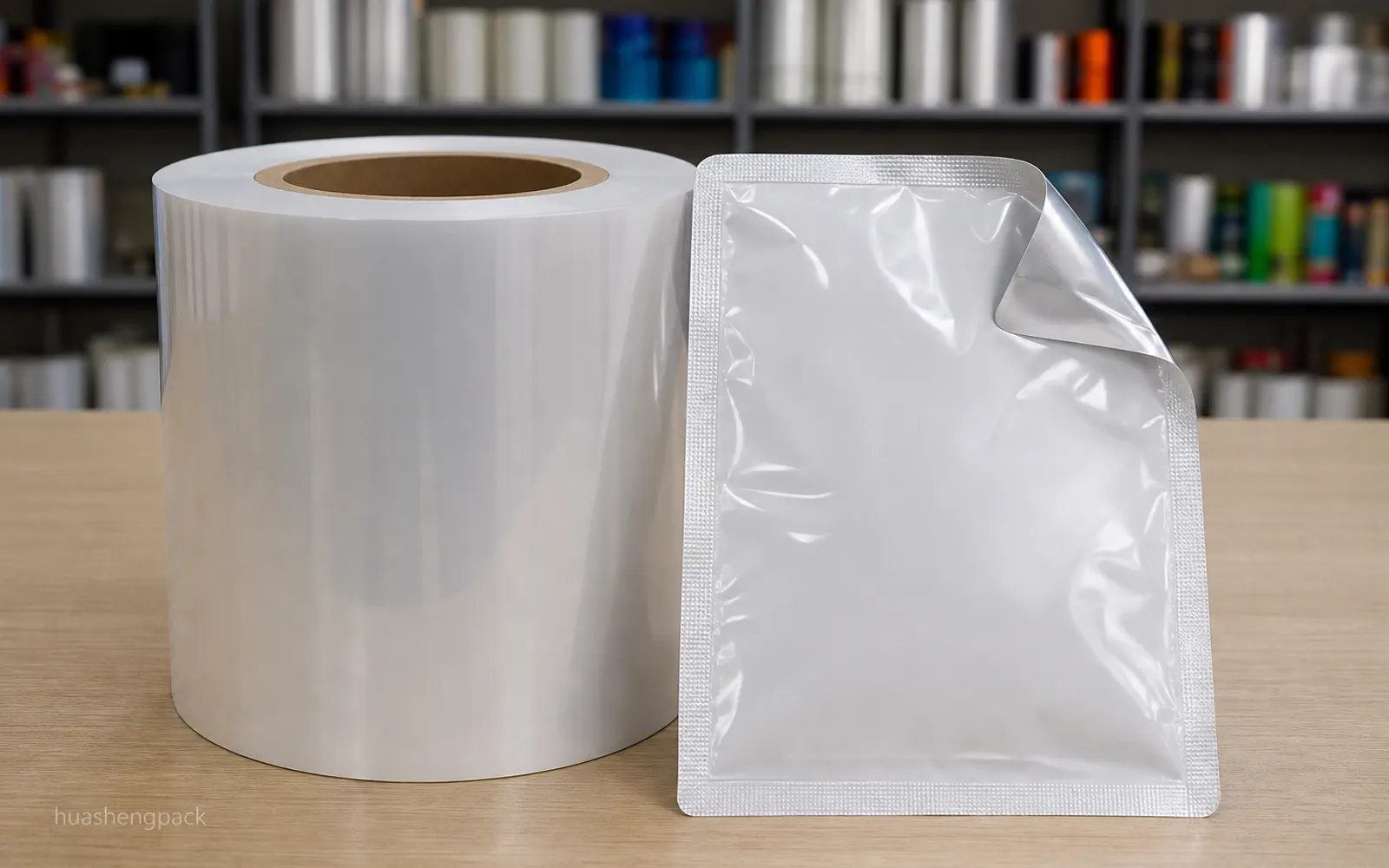
Compare easy peel packaging film for cups, trays and containers by substrate compatibility, seal window, peel behavior, contents and machine specifications.
 Easy Peel Packaging Film - construction detail
 Easy Peel Packaging Film - material structure
 Easy Peel Packaging Film - packaging application
 Easy Peel Packaging Film - packing and pallet scene
Reference Price
Custom flexible packaging is quoted based on product type, size, material structure, thickness, printing colors and order quantity. Reference price: from US$3.20/kg. Actual quotation may vary by specification. For an accurate quotation, please contact Huasheng Packaging with your size, material, quantity and artwork.
What This Product Is Used For
Easy Peel Packaging for Cups, Trays and Containers — Easy peel packaging film is used where a sealed pack must remain intact through filling, handling and storage but open in a controlled way for the user. Applications can include jelly and pudding cups, sauce portions, desserts and selected chilled-food trays. The specification starts with the exact container, contents and sealing process rather than a generic film name.
Material Structure Options
Container Substrate and Rim Compatibility — PP, PET, PS, PE and coated container surfaces can require different sealant chemistry. Resin labels alone do not prove compatibility because additives, coatings, recycled content, rim width, flatness and surface contamination can change sealing. Provide representative containers or an agreed substrate specification and confirm the film on the production rim geometry.
Application Recommendations
Balance Seal Integrity and Peel Behavior — Lower peel force is not automatically better. Too little seal can increase leakage or channel risk, while excessive or irregular opening force can cause film tear, splash or poor user experience. Define an acceptable opening mode and establish a usable seal window across temperature, pressure, dwell time and line speed rather than relying on one machine setting.
Peel Force and Cup Compatibility
Contents and Filling Conditions — Product oils, acids, moisture, powder, sauce or condensation on the rim can affect sealing. State whether filling is ambient, hot or chilled and whether the pack is pasteurized, refrigerated or otherwise processed. Barrier, food-contact and shelf-life suitability must be evaluated for the complete laminate and actual product conditions.
Quality Control Points
Roll and Machine Specifications — Confirm web width, print repeat, unwind direction, eye-mark position, core ID, maximum reel diameter and weight, splice rules, film stiffness, tension and sealing-head layout. A film that seals on a laboratory bar may still track or register differently on the intended cup or tray sealing line.
MOQ and Cost Notes
Validation Checklist — Trial representative film with actual containers and contents across the proposed operating window. Inspect channels, leaks, wrinkles, film tear, peel consistency, residue, splash, print registration and pack appearance immediately and after relevant storage. Agree test methods, conditioning, sampling and acceptance criteria before production approval.
What to Prepare Before Requesting a Quote
Quotation Checklist — Container resin or coating and rim drawing; container samples; contents and fill temperature; processing and storage conditions; sealing machine and operating range; film width, repeat, unwind, core and reel limits; barrier and shelf-life targets; intended opening behavior; artwork; printing colors; and quantity per design.
Quality and Certification
Related Products and Guides — Food Packaging Roll Film, Three Side Seal Pouches, material structure comparison and the jelly-cup easy peel sealing guide.
Related Products
Q: Does one easy peel film seal every PP or PET container? A: No. Surface formulation and rim geometry vary, so test the exact container. Q: Is the lowest peel force best? A: No. Opening must be balanced with seal integrity and leakage control. Q: Can laboratory sealing replace a line trial? A: No. It can screen options, but final approval should use the intended machine, container and contents. Q: What causes inconsistent peeling? A: Rim variation, contamination, temperature, pressure, dwell time, film construction and storage can all contribute.
Buyer Decision Matrix
- Easy Peel Packaging for Cups, Trays and Containers — Easy peel packaging film is used where a sealed pack must remain intact through filling, handling and storage but open in a controlled way for the user. Applications can include jelly and pudding cups, sauce portions, desserts and selected chilled-food trays. The specification starts with the exact container, contents and sealing process rather than a generic film name.
- Container Substrate and Rim Compatibility — PP, PET, PS, PE and coated container surfaces can require different sealant chemistry. Resin labels alone do not prove compatibility because additives, coatings, recycled content, rim width, flatness and surface contamination can change sealing. Provide representative containers or an agreed substrate specification and confirm the film on the production rim geometry.
- Balance Seal Integrity and Peel Behavior — Lower peel force is not automatically better. Too little seal can increase leakage or channel risk, while excessive or irregular opening force can cause film tear, splash or poor user experience. Define an acceptable opening mode and establish a usable seal window across temperature, pressure, dwell time and line speed rather than relying on one machine setting.
- Contents and Filling Conditions — Product oils, acids, moisture, powder, sauce or condensation on the rim can affect sealing. State whether filling is ambient, hot or chilled and whether the pack is pasteurized, refrigerated or otherwise processed. Barrier, food-contact and shelf-life suitability must be evaluated for the complete laminate and actual product conditions.
Suitable Applications
Food, beverage, snacks, coffee, pet food, daily chemical, powder, liquid, sauce, frozen products, ready meals, industrial products and more. Suitability depends on material structure, sealing method and packaging machine type.
Material Options
Common structures: PET/PE, PET/VMPET/PE, PET/AL/PE, BOPP/CPP, NY/PE, kraft paper laminates. Selection criteria: barrier requirements (oxygen, moisture, light), sealing method (heat seal, cold seal), shelf life, packaging machine compatibility and cost.
Key Features
Rotogravure printing, eye marks, sealant layers, zippers, tear notches, hang holes, windows, degassing valves, spouts and caps may be evaluated. Capability and suitability are confirmed against the product, format, equipment, target market and approved project specification.
Quality Control
Quality-control items, methods, specimens, conditions, frequency and acceptance criteria must be agreed in the project specification. A public management-system document, factory image or general workflow does not replace a material-, package- or batch-specific test record and release decision.
Buyer Notes
- Provide product type, bag size or roll width — a photo or sample helps quick assessment
- If material structure or thickness is known, include specification
- Number of printing colors and artwork file affect cylinder cost and prepress time
- Packing machine type (VFFS/HFFS/manual) determines roll film vs premade pouch choice
- Target market compliance, China OEM filling requirements or nominated domestic warehouse handover details help confirm the final specification
Related Products
Related Applications
Related Packaging Guides
Frequently Asked Questions
What is easy peel sealing film used for?
Easy peel sealing film is used to seal cups, trays and containers for jelly, yogurt-style products, sauce, beverage and dairy-style cups. The film allows consumers to peel open the seal without tearing.
How is peel strength controlled?
Peel strength depends on the sealing layer formulation, sealing temperature, dwell time and the cup or tray material. It must be tested with the actual packaging container.
Can easy peel film be used for all cup materials?
Peel performance should be tested with the specific cup or tray material, such as PP, PS, PET or multilayer containers. Different cup materials require different sealing layer formulations.
What printing options are available?
Gravure printing up to 9 colors is supported. Printing registration, color accuracy and surface finishing should be confirmed with the artwork file.
What information is needed before quotation?
Cup or tray material, sealing temperature, peel strength requirement, filling content, storage condition, roll width, printing colors, artwork file and quantity.
Recommended Material Structures
Material structure should be reviewed according to product type, shelf life, filling condition, barrier requirement and packing process.
Related Packaging Guides
Learn material structures, packaging options and application guides related to this product.